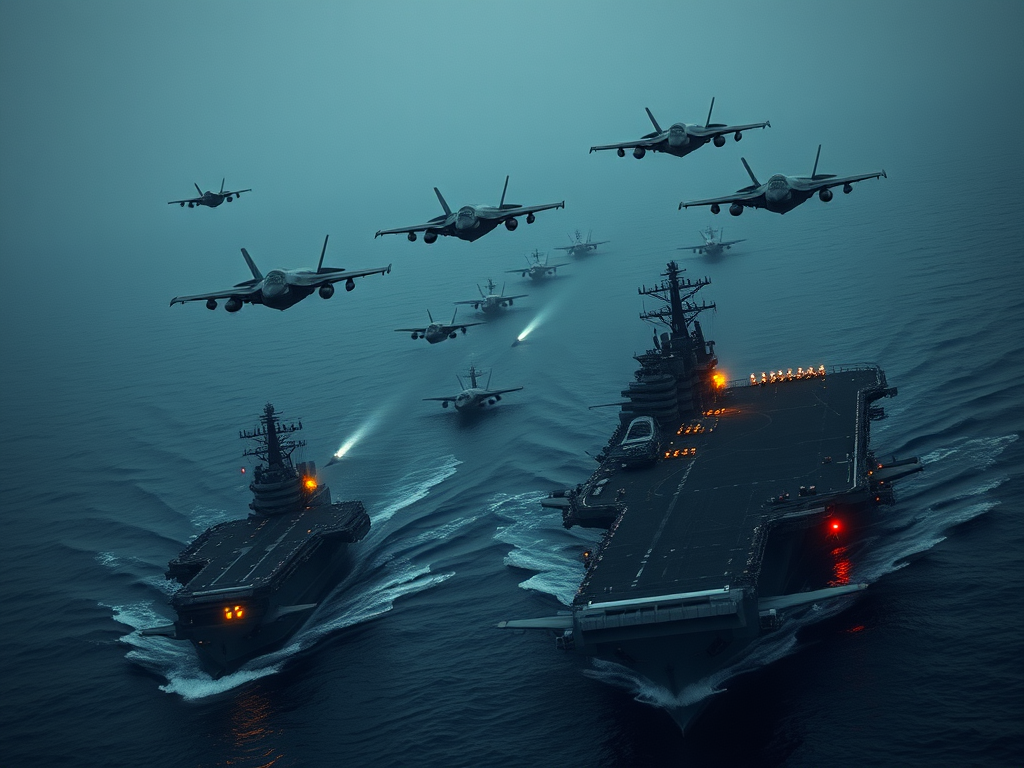
In a closed-door briefing to U.S. senators this week, senior Pentagon officials revealed that the United States had already spent at least $11.3 billion on the first six days of Operation Epic Fury, the ongoing military campaign against Iran. The stark figure — disclosed to lawmakers on Tuesday — offers the most detailed early look yet at the financial cost of the conflict, even as much of the full accounting remains incomplete.
Behind the Numbers
According to multiple news reports, Pentagon officials told members of the Senate Appropriations Subcommittee on Defense that the preliminary estimate of $11.3 billion — roughly $1.9 billion per day — does not yet capture all of the associated costs. Lawmakers were explicitly informed that many significant areas of spending were excluded from the figure, including:
- Logistics and personnel support costs
- Pre‑strike military buildup in the Persian Gulf
- Ship, aircraft and infrastructure operating expenses
- Long‑term munitions replacement and replenishment
Because of these omissions, lawmakers on both sides of the aisle expect the total cost for just the first week of the conflict to climb well beyond $11.3 billion once the Pentagon completes its internal accounting.
What’s Driving the Spend?
A large portion of the early cost appears to have been driven by the rapid expenditure of high‑value munitions. In the first 48 hours of the operation alone, U.S. forces reportedly used about $5.6 billion worth of precision‑guided weapons and other advanced ordnance, according to defense officials previously briefed on the matter.
The pace and scale of munitions use — combined with the deployment of naval, air and missile defense assets across the region — have contributed to the rapidly rising cost of the campaign.
Political and Budgetary Fallout
The disclosure comes as Congress grapples with how to fund ongoing military operations in the Middle East. The Trump administration is widely expected to request tens of billions of additional dollars in supplemental funding to cover the cost of the Iran war, and lawmakers are debating how much support to provide.
Some senators, including Democrat Chris Coons, have raised concerns that the Pentagon’s initial tally underestimates the true burden on the U.S. budget, noting that replacement costs for expended munitions alone could be substantial.
Broader Context
Operation Epic Fury, which began on February 28 with coordinated U.S. and Israeli strikes on Iranian military infrastructure, has quickly escalated into a wider regional conflict. Independent trackers and defense analysts have estimated that the war could cost the U.S. billions more if intense operations continue and if stockpiles of weapons and equipment must be restocked.
Beyond the fiscal impact, the conflict has affected global energy markets and raised questions about long‑term strategic goals, with oil prices spiking and shipping in the Strait of Hormuz disrupted as the war enters its second week.
What Comes Next
As the Pentagon completes its full assessment of the first week’s expenditures, Congress will play a central role in deciding how the costs of war are funded. Lawmakers face pressure from both political parties to balance support for national defense with broader fiscal priorities — a debate likely to intensify as the tally grows.