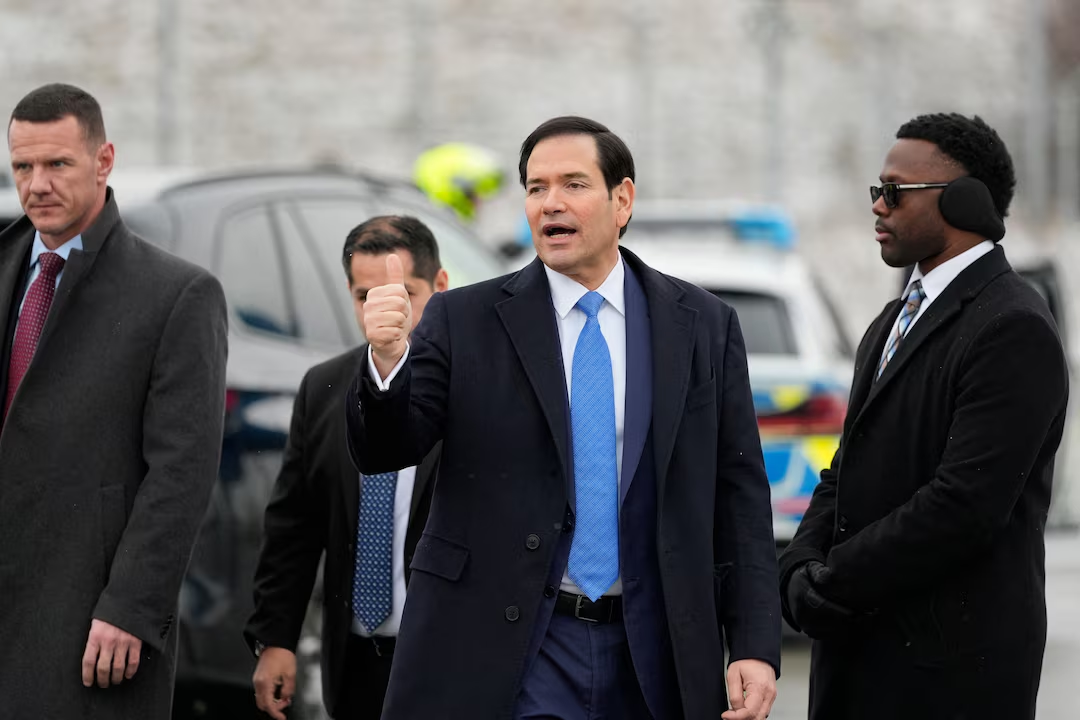
U.S. Secretary of State Marco Rubio is planning a visit to Israel amid a period of heightened tensions between the United States, Israel, and Iran. The trip — tentatively scheduled for Feb. 28, 2026 — is aimed at briefing Israeli Prime Minister Benjamin Netanyahu on ongoing nuclear and security negotiations with Tehran and aligning U.S.–Israeli strategy as diplomacy and military posturing both intensify in the region.
The timing is notable: even as indirect nuclear talks between the U.S. and Iran continue in places like Geneva, and some progress has been reported, gaps remain over key issues such as uranium enrichment and missile programs.
Rubio’s itinerary has been described by U.S. officials as subject to change, reflecting the fluid nature of the situation; his meeting with Netanyahu was reportedly rescheduled from Saturday to Monday amid preparations for broader regional responses.
A Region on Edge: Rising Tensions With Iran
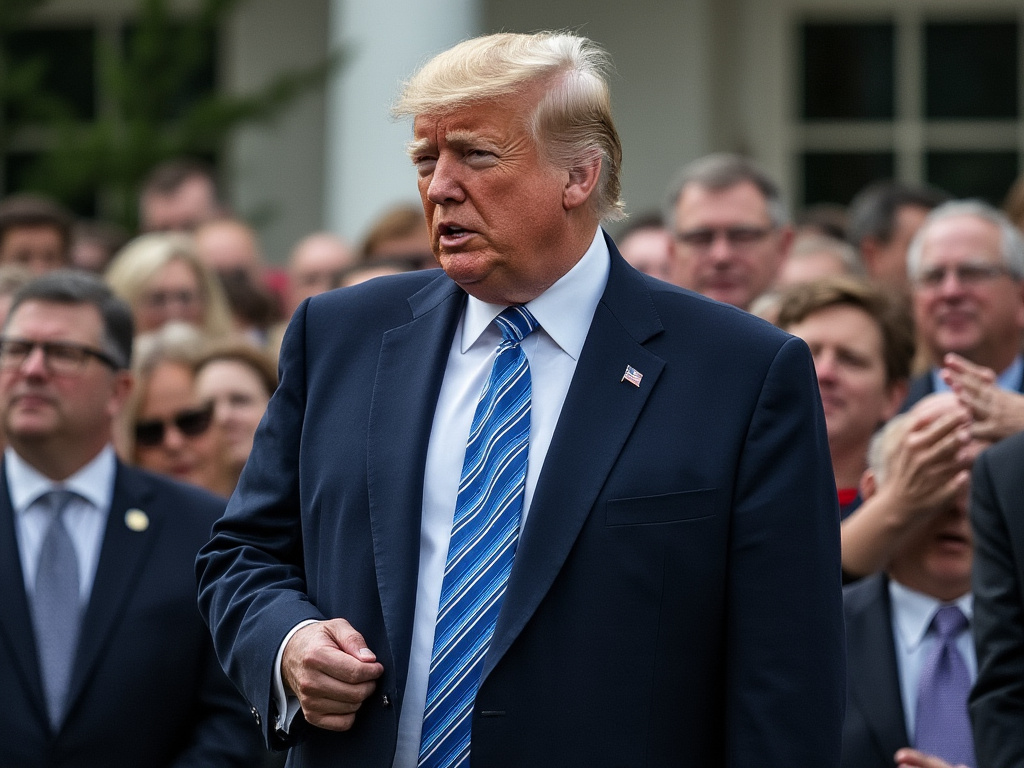
Tensions between the U.S. and Iran have noticeably escalated over nuclear ambitions and broader regional influence. Despite ongoing negotiations with Iranian officials, U.S. President Donald Trump and his administration have issued firm ultimatums and warnings to Tehran, demanding it curb its nuclear program or face potential “really bad things,” according to recent statements by Trump.
Iran, for its part, has responded with defensive rhetoric. Tehran temporarily closed the Strait of Hormuz for live-fire exercises, a rare and provocative step given the waterway’s global importance for oil transit.
The U.S. Military Buildup: Readying Forces and Fueling Fears
Alongside Rubio’s diplomatic efforts, the United States has undertaken one of the largest military deployments to the Middle East in recent years — a show of force aimed at deterring Iranian aggression or preparing contingencies should talks collapse.
Carrier Strike Groups and Warships
President Trump has ordered the deployment of multiple U.S. aircraft carriers — including the USS Gerald R. Ford and the USS Abraham Lincoln — along with accompanying destroyers and support vessels. These naval assets now anchor U.S. power projection in the region and bolster deterrence against potential Iranian escalation.
Advanced Fighter Jets and Support Aircraft
Flight-tracking data and defense reporting have shown that dozens of fighter jets — including F-35s, F-22s, and F-16s — are being repositioned to strategic bases across the Middle East.
Fuel Tankers: The Unsung Backbone of Air Operations
One of the most critical yet underreported aspects of this buildup is the surge in aerial refueling (fuel tanker) aircraft entering the region. These tankers — which carry vast quantities of aviation fuel — are essential for keeping combat and patrol aircraft aloft without frequent returns to base. The movement of refueling squadrons signals planning for sustained air operations, not just short-term deterrence.
Without these tankers, long-range strike aircraft cannot maintain loiter time or reach distant targets effectively. Their presence underscores how seriously the Pentagon is preparing for various contingencies — diplomatic, defensive, or offensive — in the event the Iran standoff worsens.
Electronic Surveillance and Support Missions
In addition to tankers and fighters, electronic surveillance aircraft and early-warning systems are reportedly being deployed to help coordinate any large-scale air operations and monitor regional airspace dynamics.
Balancing Diplomacy and Deterrence
Rubio’s trip — whether confirmed or on the verge of being rescheduled — highlights the dual-track strategy the United States is pursuing:
- Diplomacy: Engaging both Iran and Israel to manage risks and seek negotiated solutions;
- Deterrence: Projecting military power to discourage escalation and ensure regional allies like Israel feel supported.
This blend reflects a broader U.S. strategy to avoid outright conflict while maintaining leverage should negotiations falter.
What Comes Next?
Both diplomatic talks and military deployments are evolving daily. Markets, governments, and global observers are watching closely, as even small shifts — such as changes in travel schedules or additional force movements — can signal broader strategic shifts.
Rubio’s engagement underscores how central U.S.–Israeli coordination has become in confronting shared concerns about Iran’s nuclear and missile ambitions. At the same time, the scale of the U.S. military buildup — particularly airpower and the infrastructure that supports it — suggests that deterrence remains a top priority if diplomacy stalls.
If you’d like a timeline of these developments or analysis of how this could affect global markets and energy prices, just let me know!