In early 2026, Canadian politics is defined by a massive structural shift: the end of the Justin Trudeau era and a high-stakes “cold war” with the second Trump administration. The political landscape has transformed into a battleground over national sovereignty and trade survival.
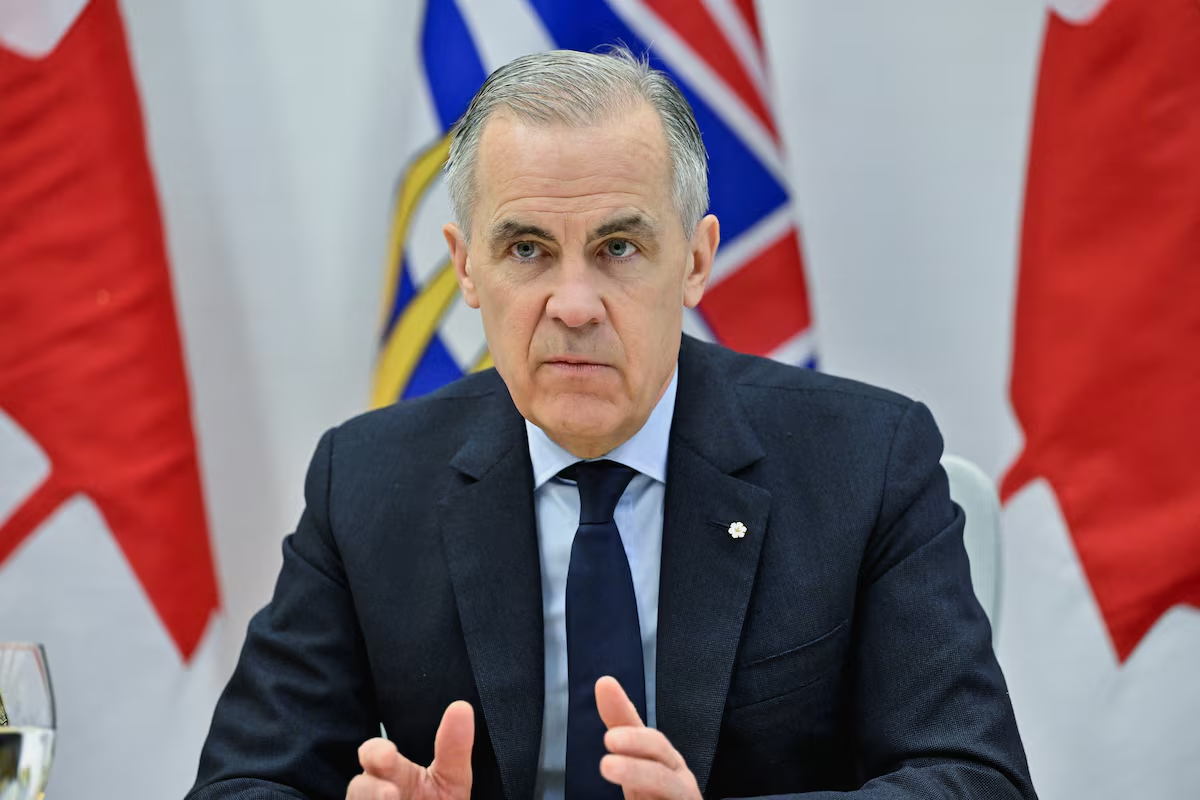
In a dramatic turn of events, Mark Carney—former Governor of the Bank of Canada and the Bank of England—has succeeded Justin Trudeau as Prime Minister. After Trudeau’s resignation in early 2025, Carney led the Liberal Party to a surprising majority victory in the April 2025 federal election.
Carney’s “Rupture” doctrine, debuted at Davos in early 2026, argues that the post-WWII world order is dead. His government is currently focused on:
- The Defence Industrial Strategy: A massive $180 billion procurement plan to bolster Canadian sovereignty.
- Trade Diversification: Actively courting Gulf nations and the EU to reduce dependence on the U.S. market.
- Domestic Resilience: Pushing “Buy Canadian” policies to insulate the economy from southern volatility.
The Official Stance on Trump: Friction and Defiance
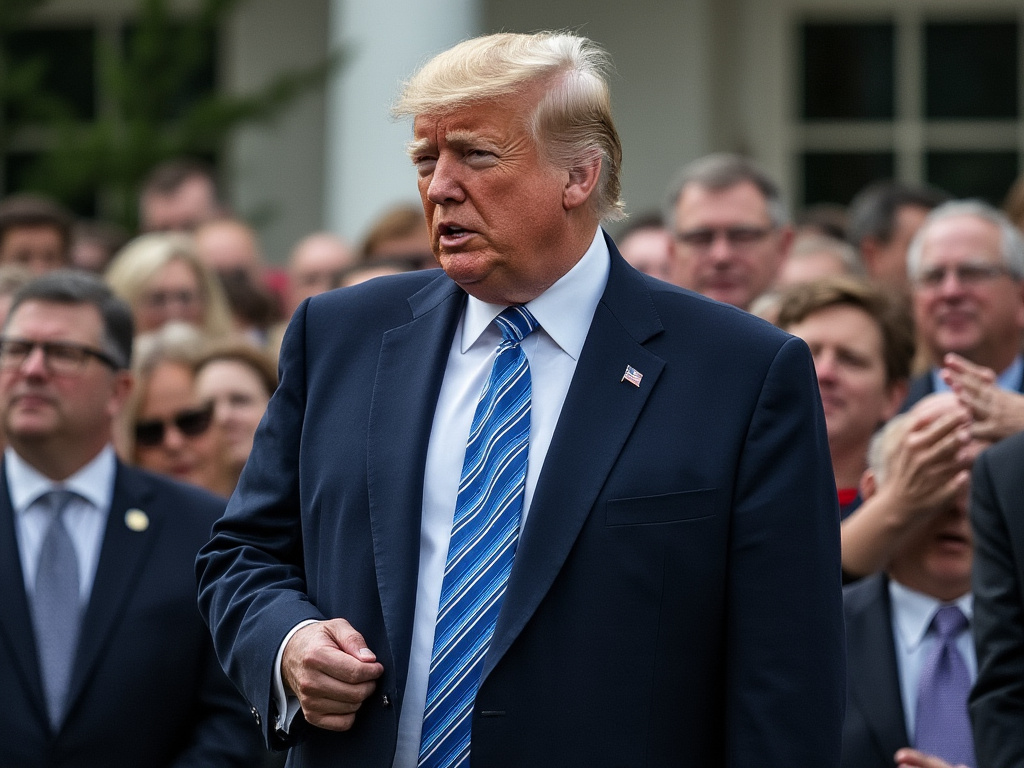
The relationship between Ottawa and Washington is at a historic low. Canadian officials largely view President Trump’s second term not as a passing phase, but as a fundamental threat to Canadian interests.
1. Prime Minister Mark Carney
Carney has adopted a “pragmatic but firm” stance. He has publicly pushed back against Trump’s rhetoric regarding Canada as the “51st state,” characterizing the administration’s actions as a “rupture” of the bilateral partnership. Carney is positioning Canada as a middle power that no longer seeks “special treatment” but rather independence.
2. Pierre Poilievre (Leader of the Opposition)
Following his 2025 election defeat, Poilievre faces internal pressure. While he shares some of Trump’s populist rhetoric, he has been forced to distance himself from the President to maintain domestic support.
- The “Hissy Fit” Controversy: Recently, Poilievre publicly rebuked Conservative MP Jamil Jivani for calling Canadian anger over U.S. tariffs an “anti-American hissy fit.”
- Poilievre’s View: He maintains that while Canada must adapt to the U.S. administration, Trump’s tariffs are “unjustifiable” and harmful to Canadian workers.
3. Dominic LeBlanc (Trade Minister)
LeBlanc is the point man for the ongoing trade war. He recently hailed a U.S. Supreme Court ruling (February 20, 2026) that struck down certain Trump tariffs as illegal, though he warned that “critical work lies ahead” as Trump has already threatened new 10% worldwide levies in response.+1
4. Doug Ford (Premier of Ontario)
The Ontario Premier has been vocal in his opposition to sectoral tariffs on steel and autos. While Ford has historically had a cordial relationship with Trump, he has recently pivoted to a “fight-back” mode, stating he won’t stop until “every last tariff” is dropped.
The Public Sentiment: A Turning Point
Public opinion in Canada has soured significantly toward the United States:
- Polls: Recent data shows nearly 48% of Canadians now view the U.S. under Trump as a greater threat to world peace than Russia.
- Economic Boycott: Canadian travel to the U.S. dropped by 23% in 2025, a “silent boycott” that has cost the American economy billions.
| Leader | Party | Stance on Trump |
| Mark Carney | Liberal | Adversarial; seeking global trade counterweights. |
| Pierre Poilievre | Conservative | Critical of tariffs; cautious not to appear “pro-Trump.” |
| Doug Ford | PC (Ontario) | Defensive; focused on protecting the auto/steel sectors. |
| Dominic LeBlanc | Liberal | Legalistic; fighting tariffs through U.S. courts and CUSMA. |