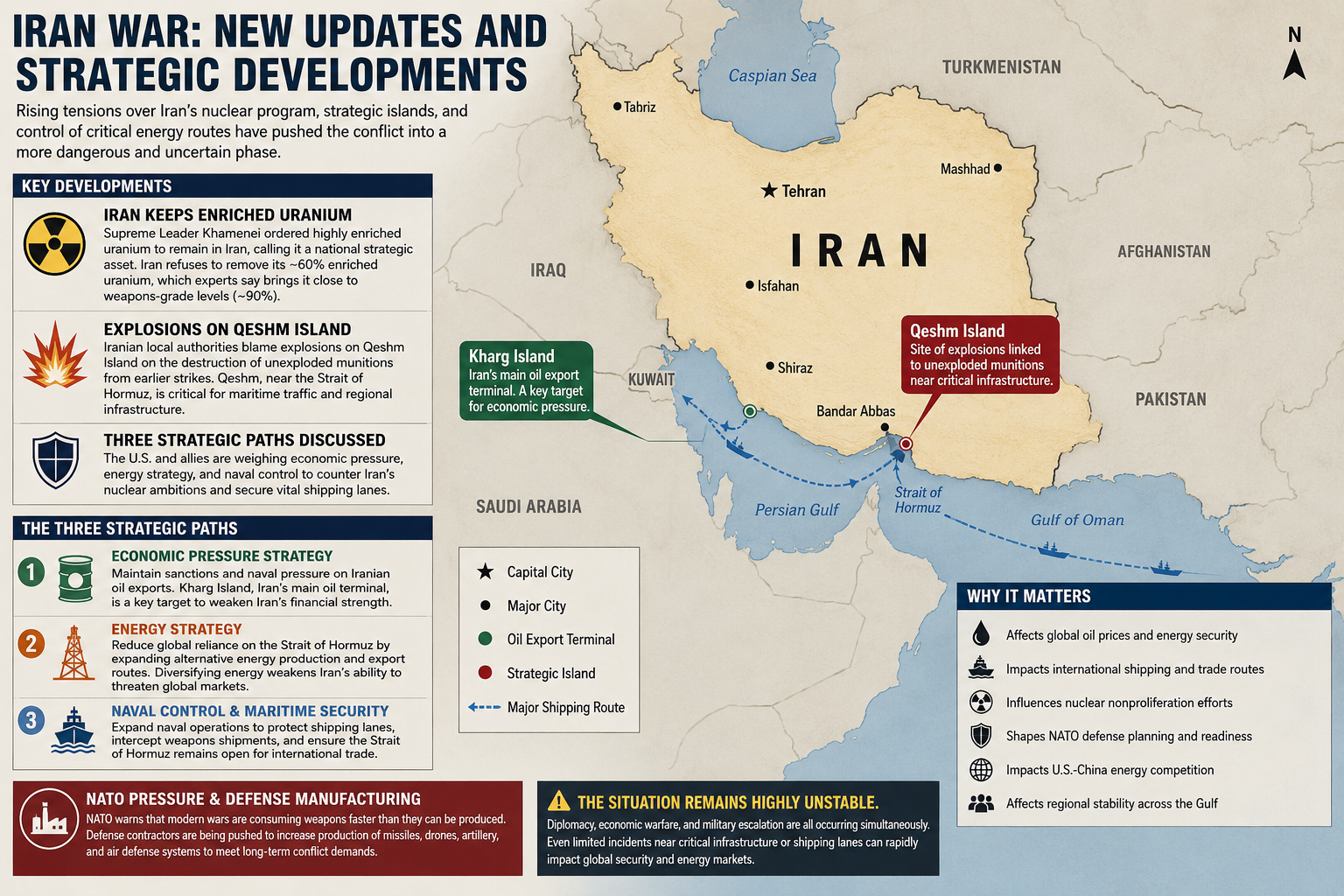
Finland and Sweden scrambled Quick Reaction Alert jets on Sept. 24 for their first joint operational identification of Russian military aircraft, a milestone Finland Sweden intercept over the Gulf of Finland that highlights tightening Nordic air policing inside NATO.
Finnish F/A-18 Hornets and Swedish JAS 39 Gripens met a Russian formation in international airspace that included a Tu-134 transport plus MiG-31 and Su-30 fighters, according to the Finnish and Swedish armed forces. Finland’s Air Operations Centre led the mission under expanded bilateral QRA cooperation built after both countries joined the alliance following Russia’s 2022 full-scale invasion of Ukraine.
Finland Sweden intercept marks first joint ID mission
Official statements from Helsinki and Stockholm framed the sortie as routine air policing with a new cooperative twist: the two air forces identified the same Russian package together rather than in parallel national tracks. Swedish Prime Minister Ulf Kristersson said the Baltic Sea has “never been as vulnerable” and “never been better protected,” underscoring the dual message of threat and readiness.
Baltic air and sea incidents pile up in September
The joint scramble followed other tense moments in the region, including a Russian warship firing flares toward a Danish military helicopter in international waters earlier in the month. European governments have also reported drone sightings, suspected sabotage, and airspace probes they link to Moscow’s wider pressure campaign, though Russia denies attacking NATO states.
Why Nordic QRA cooperation matters for NATO’s northern flank
Shared intercepts cut reaction time across the Gulf of Finland and signal that Finland’s long border with Russia and Sweden’s air force are plugged into the same defensive picture. For NATO planners, visible Nordic coordination is meant to deter ambiguous probes without treating every transit in international airspace as an Article 5 trigger.
Moscow’s silence leaves the next test undefined
Russian embassies in Stockholm and Helsinki did not immediately comment on the Sept. 24 mission. Allied officials say they still see no imminent conventional invasion of a NATO member, but they expect more frequent air activity and hybrid incidents through the autumn. The Finland-Sweden flight will be watched as a template: identify together, share tracks fast, and keep Baltic skies from becoming a gray zone Moscow can exploit.