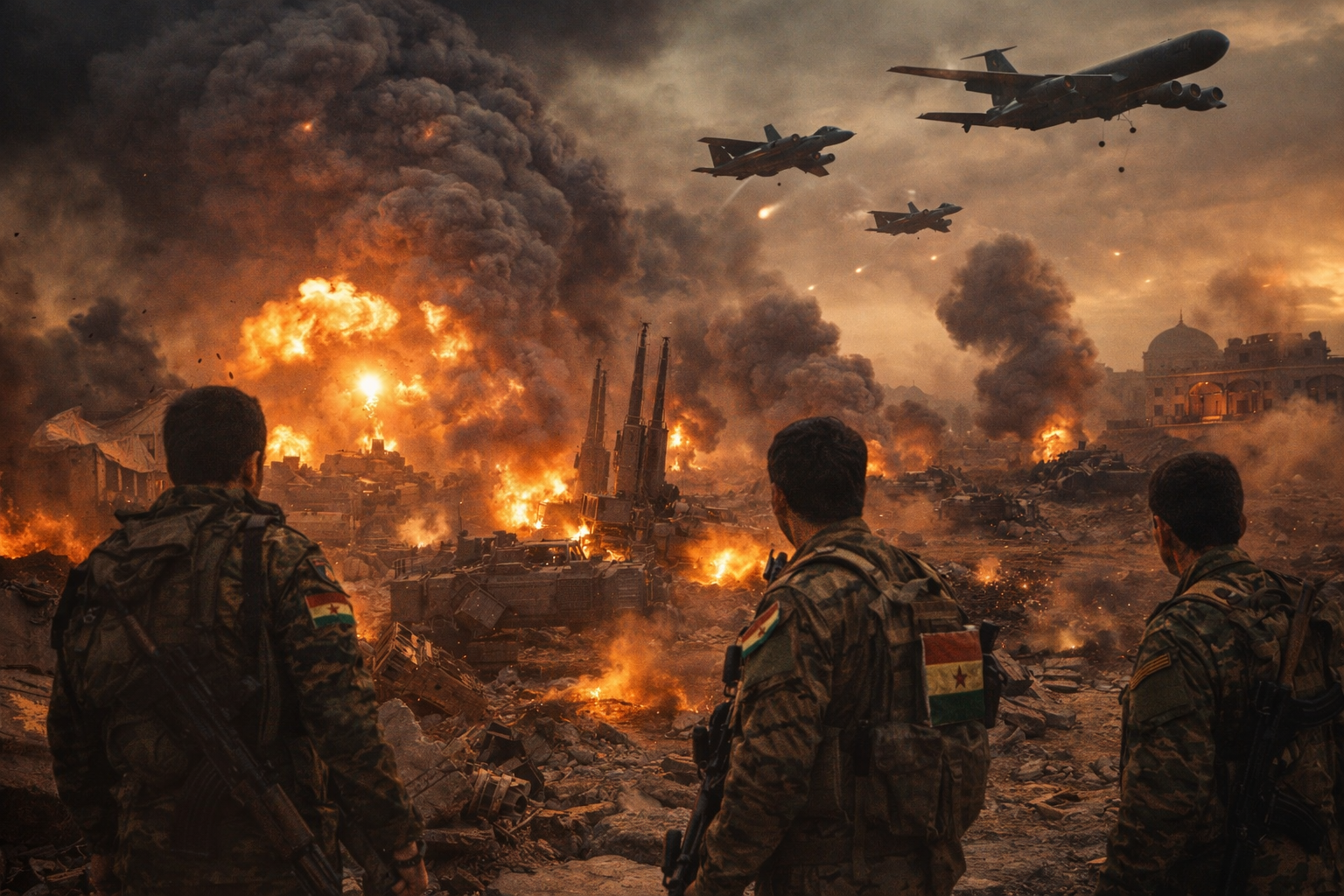
In early 2026, the United States began moving an unusually large concentration of military forces toward the Middle East. This deployment — the most extensive since the 2003 Iraq invasion — reflects escalating tensions with Iran over its nuclear program and regional behavior.
The buildup includes a wide array of naval and air assets, poised to serve both deterrence and readiness roles amid fragile diplomacy and heightened risk of conflict.
Major Deployments and Forces Involved
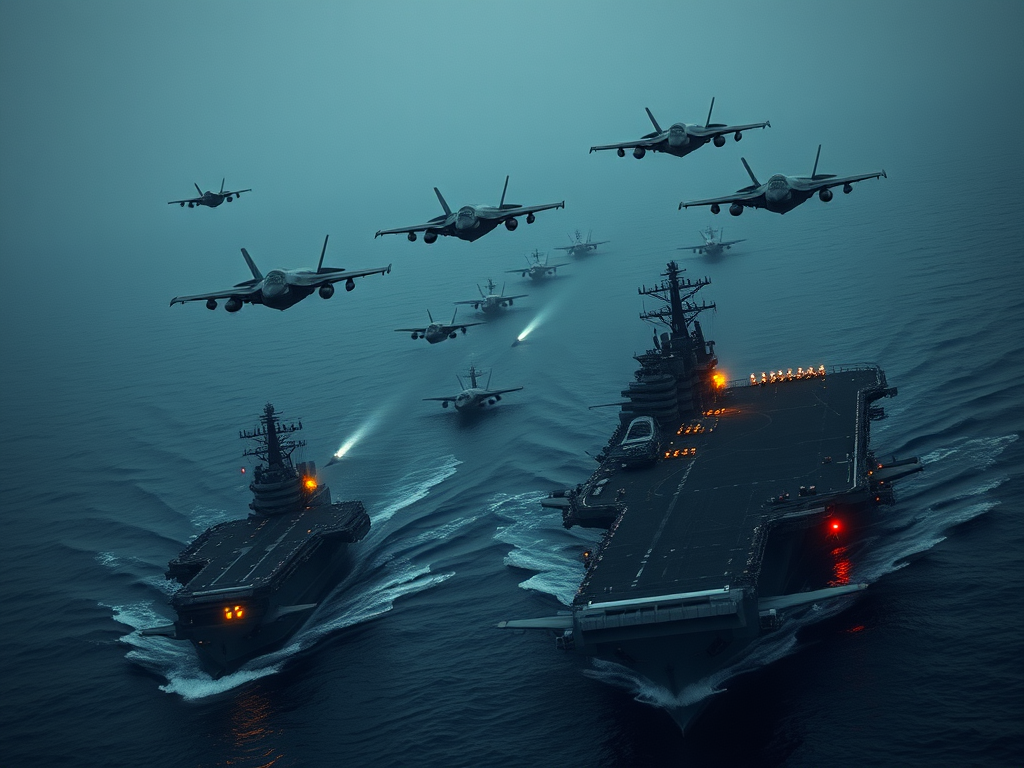
1. Dual Aircraft Carrier Strike Groups
- The USS Abraham Lincoln carrier strike group is already operating in the Arabian Sea.
- The USS Gerald R. Ford, the U.S. Navy’s most advanced aircraft carrier, is traversing the Atlantic and entering the Mediterranean, extending U.S. naval reach near Iran from multiple axes.
These carriers are accompanied by destroyers equipped with Tomahawk cruise missiles and advanced air defenses, giving the Pentagon extensive strike and air control options.
2. Advanced Airpower
- Dozens of fighter jets — including F-35 Lightning IIs and F-22 Raptors — are moving into positions within striking distance of Iran.
- Refueling tankers, surveillance aircraft, and electronic warfare platforms (like EA-18G Growlers) are part of the force posture to sustain operations if needed.
- Additional reconnaissance drones, such as MQ-9 Reapers, are also operating nearer Iran.
3. Missile Defense and Support Systems
- Patriot missile batteries and THAAD systems have been positioned in the region to protect U.S. forces and allies against ballistic threats.
- Submarines and other naval assets are believed to be operating discreetly in adjacent waters.
4. Logistical and Command Support
- Large numbers of tanker and cargo aircraft are sustaining the buildup, ensuring that both air and naval forces could operate for extended periods without reliance on nearby host nation facilities.
What Is Driving This Deployment?
A. Nuclear Negotiations and Pressure on Iran
While indirect talks between the U.S. and Iran have been underway — and officials on both sides described some progress — significant disagreements remain, particularly over Tehran’s nuclear and missile activities.
The deployment of military assets appears designed to increase leverage for the U.S. in these negotiations by signaling capability and willingness to escalate if diplomacy falters.
B. Deterrence and Rapid Response Capability
Pentagon officials and analysts emphasize that this posture serves to deter Iranian aggression while preparing for multiple contingencies, including air strikes on nuclear or missile targets if deemed necessary.
The presence of air and missile defense systems also aims to protect U.S. forces, local allies, and commercial shipping routes that could be impacted by any conflict.
International Reactions and Regional Risks
The military buildup has drawn global attention and concern:
- Russia publicly urged restraint, warning that the increased U.S. presence near Iran could escalate tensions further and calling for diplomatic resolution over military confrontation.
- Iran’s government warned that U.S. bases and assets would be “legitimate targets” should Washington pursue military action, underscoring how a military clash could quickly broaden beyond the immediate region.
Is War Imminent?
Despite the military buildup and sharp rhetoric from both sides, no formal decision has been made to go to war:
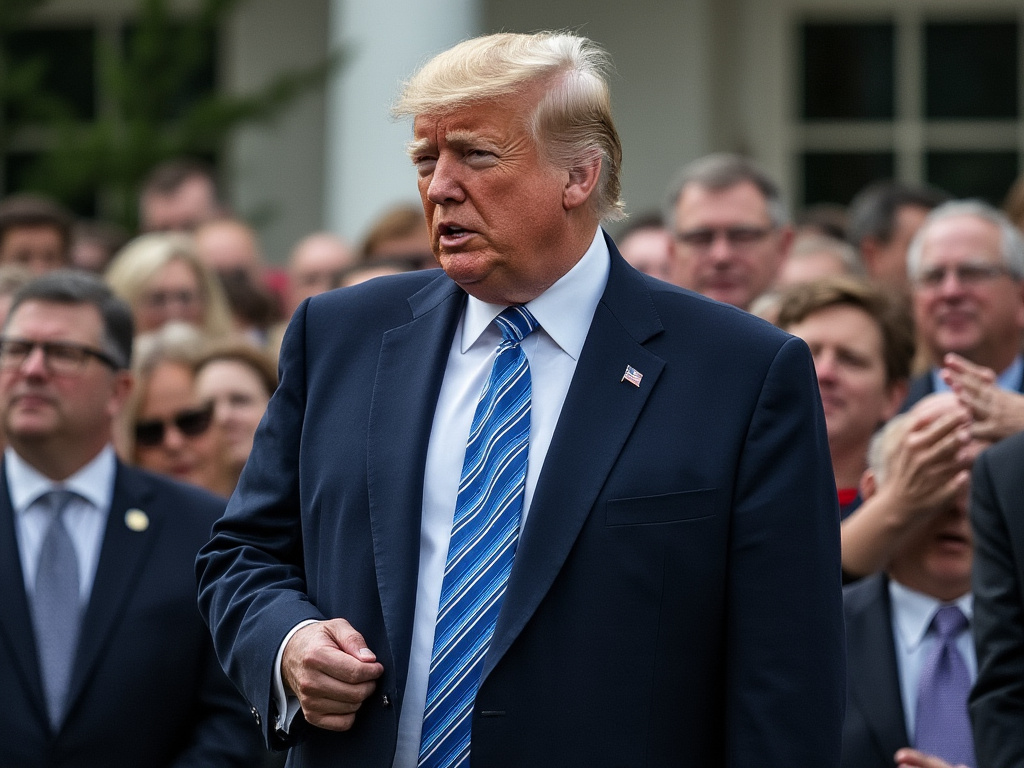
- President Donald Trump has stopped short of authorizing a strike, even as forces are ready.
- U.S. lawmakers are preparing votes on war powers resolutions, which could restrict executive authority to launch major military operations without Congressional approval.
Diplomacy is still officially the preferred avenue, even as military posturing continues.
What This Means for the Region
This deployment represents a complex mix of strategic deterrence, diplomatic leverage, and military readiness:
- It heightens uncertainty across the Middle East, potentially affecting global oil markets and shipping security through the Strait of Hormuz.
- It signals to Tehran that the U.S. has options beyond sanctions and diplomacy.
- It draws in international actors, each with their own interests in the outcome — from European powers to Russia and regional neighbors.
Whether this posture remains strictly deterrent or becomes the prelude to open conflict will hinge on the developments in negotiations and decisions by policymakers in Washington and Tehran.
In summary, the United States has significantly increased its military footprint near Iran — with carriers, advanced aircraft, air defenses, and logistical support — as part of a multipronged strategy to deter aggression, pressure Iran in nuclear talks, and prepare for potential contingency operations. The situation remains volatile, and global leaders are watching closely for signs of whether diplomacy or conflict will prevail.