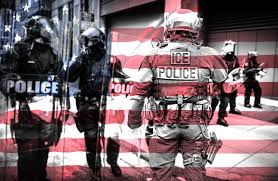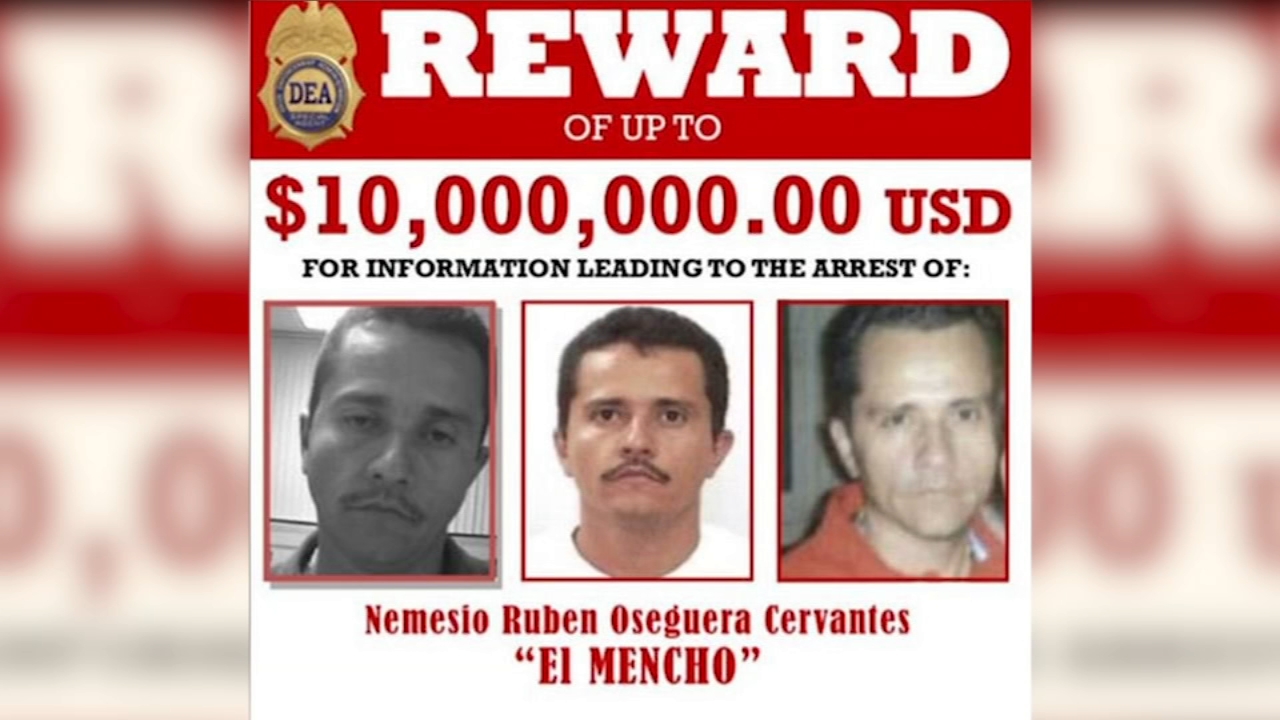
Since February 22, 2026, Mexico has been gripped by a wave of unprecedented violence following the death of Nemesio “El Mencho” Oseguera Cervantes, the leader of the Jalisco New Generation Cartel (CJNG). His killing during a military operation in Tapalpa, Jalisco, has triggered a “Code Red” across multiple states, leaving the country reeling from arson, blockades, and urban warfare.+1
The Operation and the Backlash
On Sunday, Mexican Special Forces—supported by U.S. intelligence—located El Mencho in a secluded rural property. The ensuing firefight resulted in his death and that of several high-ranking cartel associates.
The retaliation was immediate and coordinated:
- Narcobloqueos: Cartel members hijacked and set fire to hundreds of buses and trucks to block major highways in over 15 states.
- Urban Siege: In Guadalajara and Puerto Vallarta, commercial hubs like Oxxo stores and gas stations were torched.
- Casualties: At least 25 National Guard members were killed in retaliatory ambushes in Jalisco alone.
- Economic Paralysis: International flights to tourist hotspots were canceled, and schools were shuttered as citizens were ordered to shelter in place.
Analysis: Why Now?
The timing and reasoning behind this escalation are not accidental. Several factors converged to make this the most volatile moment in recent Mexican history.
1. The “World Stage” Pressure
With the 2026 FIFA World Cup scheduled to kick off in just over 100 days, the Mexican government is under immense pressure to prove it can secure its host cities, including Guadalajara. By taking out El Mencho now, President Claudia Sheinbaum’s administration sent a clear message of “sovereign control,” but the resulting chaos has paradoxically raised questions about whether the tournament can safely proceed.
2. U.S.-Mexico Collaboration 2.0
The operation follows a year of shifting relations under the second Trump administration. In early 2025, the U.S. designated the CJNG as a Foreign Terrorist Organization (FTO). The recent intelligence sharing represents a “high-stakes” cooperation; Mexico likely acted now to head off threats of unilateral U.S. military intervention, choosing to lead the operation themselves rather than allow foreign boots on the ground.+1
3. The Power Vacuum and “Narcoterrorism”
Unlike the “Hugs, not Bullets” strategy of the past, this “Kingpin Strategy” move has forced the CJNG into a corner. Their response—targeting civilian infrastructure and government buildings—is a form of narcoterrorism.
Opinion: The cartel isn’t just fighting for territory; they are fighting to prove that the state cannot function without their “permission.” By inflicting massive economic damage, they aim to make the cost of pursuing their leadership too high for the government to sustain.
What’s Next: The Succession War
The death of a kingpin rarely ends the violence; it often amplifies it. We are likely entering a period of “atomization,” where smaller, more radical factions within the CJNG fight for the throne.
Furthermore, the Sinaloa Cartel, currently weakened by its own internal civil war between the “Chapitos” and “Mayiza” factions, may see this as an opportunity to reclaim lost ground in Jalisco, potentially turning western Mexico into a multi-front war zone.
Would you like me to track the specific impact of this unrest on the upcoming World Cup schedule or provide a breakdown of the current territorial control of the remaining cartels?