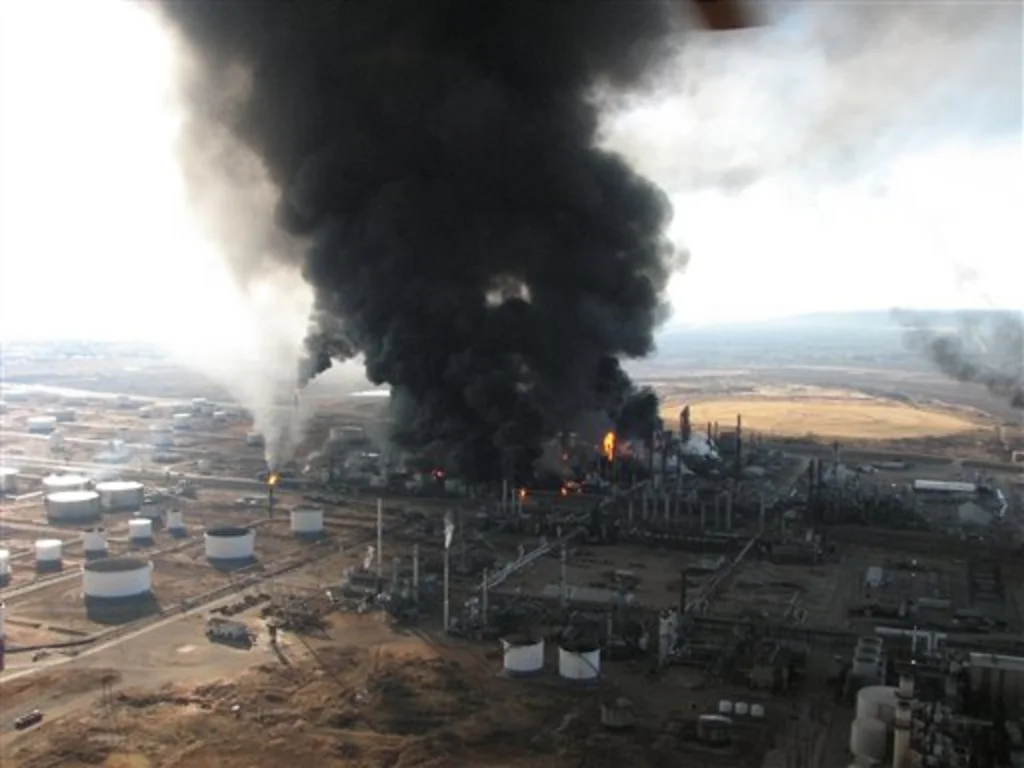
A powerful explosion rocked a major oil refinery along the Texas Gulf Coast this week, sending flames and thick plumes of smoke into the sky and prompting authorities to issue a temporary shelter-in-place order for nearby residents.
The blast occurred Monday at a Valero refinery in Port Arthur, a key energy hub located about 90 miles east of Houston. According to local officials, the fire was brought under control within hours, and the shelter order was lifted shortly afterward. Notably, no injuries were reported, and all refinery personnel were accounted for.
Residents miles away reported feeling their homes shake from the force of the explosion, underscoring the scale of the incident. As a precaution, some local schools were closed, while environmental officials deployed air monitoring equipment to assess potential health risks.
The refinery itself is one of the largest in the region, capable of processing roughly 435,000 barrels of crude oil per day and producing essential fuels such as gasoline, diesel, and jet fuel.
Possible Cause Still Under Investigation
Early reports suggest the explosion may have been linked to an industrial malfunction, possibly involving a heating unit, though authorities have not confirmed a definitive cause. Investigations are ongoing, and officials have emphasized that safety and environmental oversight remain top priorities.
Industrial accidents at refineries are not uncommon, given the volatile nature of petroleum processing. Past incidents in the United States have often been traced back to equipment failures, maintenance issues, or operational errors.
Timing Raises Broader Concerns
The explosion comes at a particularly sensitive moment for global energy markets. Ongoing geopolitical tensions involving Iran have already contributed to rising oil prices and uncertainty around supply chains.
That context has led some observers to raise a more controversial question: Could this incident have been something more than an industrial accident?
Was This Possible Retaliation?
At this stage, there is no evidence linking the explosion to sabotage, terrorism, or foreign actors. Authorities have not indicated any signs of foul play, and early indicators point toward a mechanical or operational issue.
However, given the strategic importance of U.S. energy infrastructure—and the broader backdrop of tensions with Iran—some analysts argue that incidents like this inevitably invite scrutiny. The idea of potential retaliation by Iranian sleeper cells or other actors remains speculative and unproven, but it highlights the growing concern over the vulnerability of critical infrastructure during periods of geopolitical conflict.
A Reminder of Energy Infrastructure Risks
Whether accidental or not, the explosion serves as a reminder of how fragile and essential energy infrastructure can be. Even a single refinery disruption has the potential to ripple through fuel supply chains, impact prices, and raise national security concerns.
For now, officials continue to investigate the cause of the blast. Until more information emerges, the incident stands as both an industrial accident under review—and a flashpoint for broader questions about security in an increasingly unstable global environment.