The United States is steadily increasing its military footprint in the Middle East, deploying additional Marines, airborne forces, and rapid-response units as tensions with Iran escalate into a broader regional conflict. Recent reporting from multiple outlets, including The New York Times, indicates that the buildup is not a single deployment—but a layered reinforcement strategy involving elite units capable of rapid combat operations.
Marine Expeditionary Units Lead the Surge
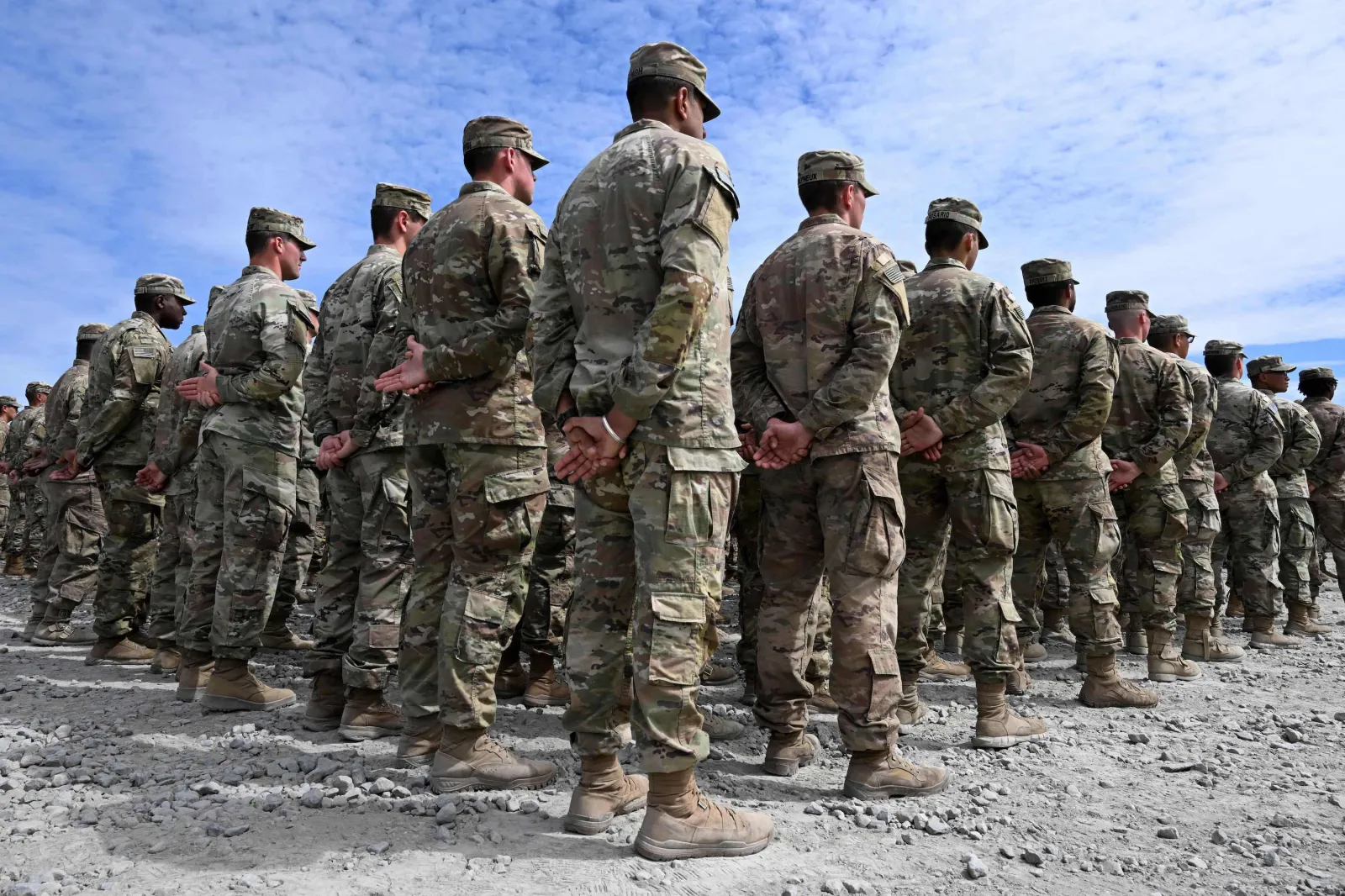
At the forefront of the buildup are multiple Marine Expeditionary Units (MEUs), the U.S. military’s forward-deployed crisis response forces.
- The 31st Marine Expeditionary Unit, based in the Indo-Pacific, has already been deployed with roughly 5000 Marines to the region.
- The 11th Marine Expeditionary Unit is following, with an additional 2,200–2,500 Marines embarked on amphibious assault ships.
These MEUs bring amphibious assault capabilities, aviation assets, and ground combat forces that can rapidly conduct strikes, seize territory, or respond to crises across the region. Their presence also signals preparation for potential littoral (coastal) operations, including securing strategic waterways like the Strait of Hormuz.
Combined, these deployments mark a significant increase in Marine Corps combat power in the region, with at least two full expeditionary units now positioned for operations.
Airborne Forces on Standby
Alongside the Marines, U.S. Army airborne units are being positioned for potential rapid deployment.
According to reporting based on The New York Times, Pentagon officials are weighing the deployment of elements of the 82nd Airborne Division, specifically its Immediate Response Force—a brigade of roughly 3,000 troops capable of deploying globally within 18 hours.
These forces are designed for high-speed operations such as:
- Seizing key infrastructure (airfields, النفط facilities)
- Rapid insertion behind enemy lines
- Stabilizing contested zones early in a conflict
Planning scenarios reportedly include potential operations targeting critical Iranian assets such as Kharg Island, a major oil export hub.
In addition to the 82nd, contingency planning has also referenced other airborne-capable or rapid deployment elements, including references to an “86th Airborne” formation in broader discussions—highlighting the scale of readiness across U.S. airborne forces, even if not all units are formally deployed.
A Force Already 50,000 Strong—And Growing
These new deployments are being added to an already substantial U.S. military presence in the region.
- Approximately 50,000 U.S. troops were already stationed across the Middle East prior to the latest reinforcements.
- The current buildup is considered the largest U.S. force posture in the region since the Iraq War era.
Additional assets include:
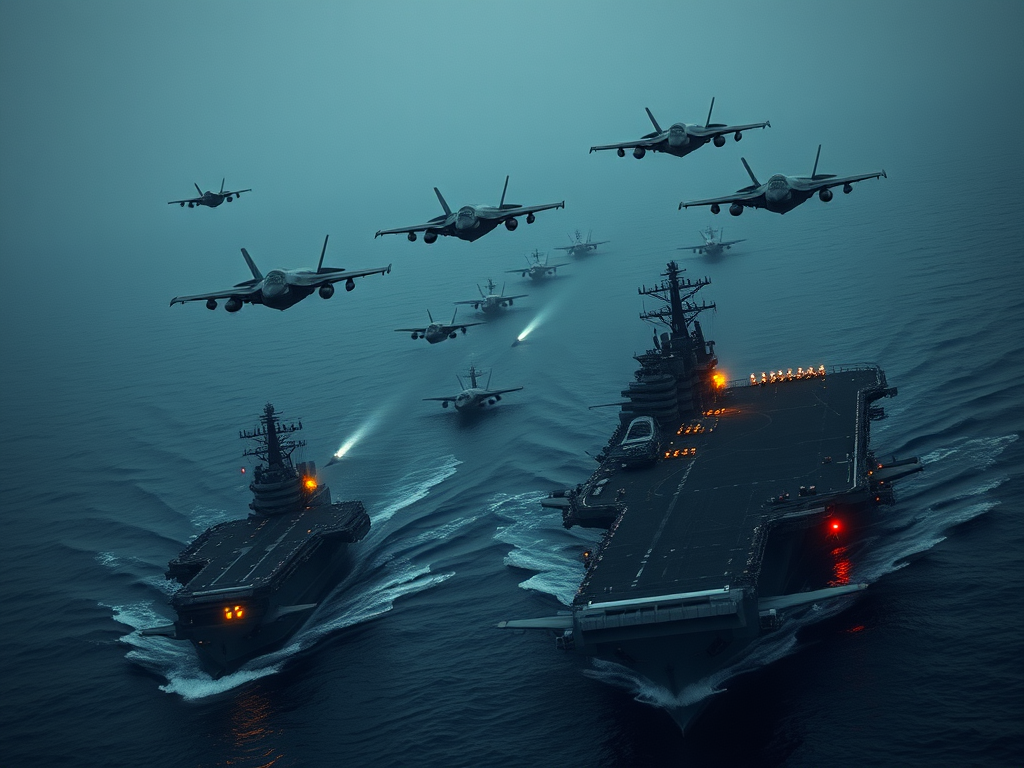
- Aircraft carrier strike groups
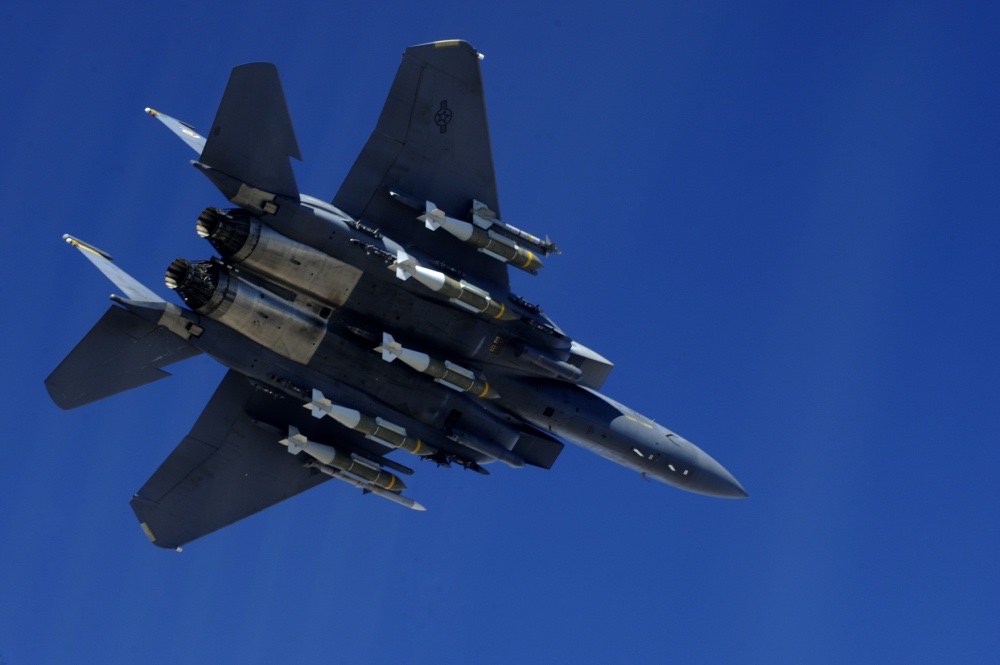
- Advanced fighter aircraft deployments
- Missile defense systems
- Naval amphibious ready groups
This layered force structure allows the U.S. to maintain flexibility—ranging from deterrence and limited strikes to full-scale ground operations if ordered.
Strategic Purpose: Deterrence or Preparation?
Officially, U.S. leadership has stated that no final decision has been made to deploy ground troops into Iran. However, the scale and composition of forces tell a more complex story.
The combination of:
- Amphibious Marine units (MEUs)
- Rapid-deployment airborne brigades
- Naval and air superiority assets
suggests active contingency planning for escalation, not just defensive positioning.
Military analysts describe this as “battlespace preparation”—building the capability to act quickly if political decisions shift.
Conclusion: A Gradual but Significant Escalation
The U.S. troop buildup in the Middle East is not occurring in a single dramatic move but through continuous, incremental deployments. The arrival of the 11th and 31st MEUs, combined with the potential deployment of the 82nd Airborne and other rapid-response forces, reflects a strategy designed for speed, flexibility, and escalation dominance.
While policymakers continue to signal caution publicly, the military posture on the ground—and at sea—indicates that the United States is preparing for a wide range of scenarios, including the possibility of direct confrontation with Iran.