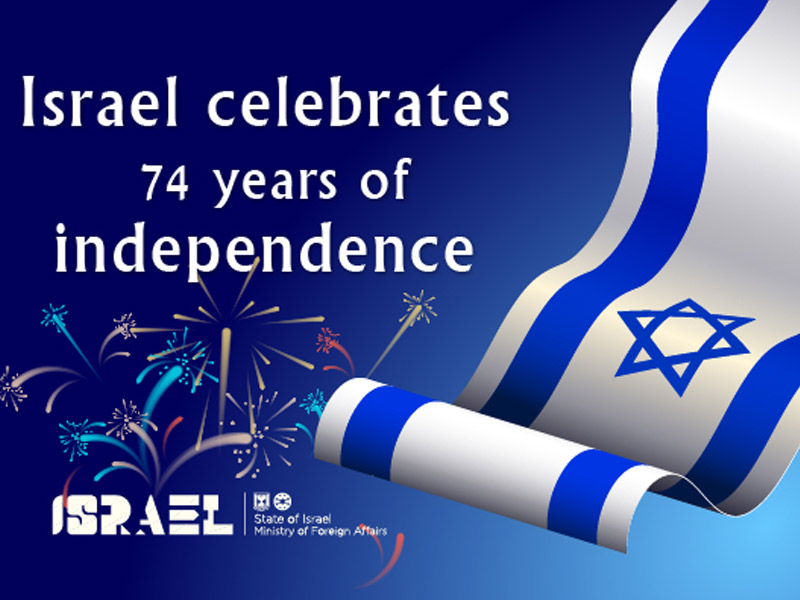
Every year, Israel celebrates Independence Day, known in Hebrew as Yom Ha’atzmaut, marking the founding of the modern state in 1948. It is a day filled with celebration, reflection, and national pride—rooted in a complex history that continues to shape the region today.
The Birth of a Nation
Israel’s independence was declared on May 14, 1948, by David Ben-Gurion, who proclaimed the establishment of the State of Israel. This moment came after decades of Zionist movement efforts and in the aftermath of World War II and the Holocaust, which intensified global support for a Jewish homeland.
The declaration followed the end of the British Mandate for Palestine and the approval of a United Nations partition plan. However, independence also immediately triggered conflict, as neighboring Arab states opposed the creation of Israel, leading to the 1948 Arab-Israeli War.
From Mourning to Celebration
Uniquely, Israel Independence Day is directly preceded by Yom HaZikaron, the country’s Memorial Day for fallen soldiers and victims of terrorism. The transition from mourning to celebration is abrupt but deeply symbolic: it underscores the cost of independence and the ongoing need to defend it.
As the sun sets and Independence Day begins, the atmosphere shifts dramatically—sirens and silence give way to fireworks, music, and nationwide festivities.
How Israel Celebrates
Celebrations across Israel are vibrant and communal. Common traditions include:
- Fireworks and concerts in major cities like Tel Aviv and Jerusalem
- Barbecues (mangal) in parks, where families and friends gather
- Military flyovers, showcasing national defense capabilities
- Flag displays, with blue-and-white decorations covering streets and homes
The day is both patriotic and festive—blending solemn remembrance with joy and resilience.
A Global Celebration
Israel Independence Day is not only observed within the country. Jewish communities around the world hold events, parades, and cultural programs to celebrate the nation’s founding and its continued development.
In places like New York, London, and Paris, the day becomes an opportunity to express solidarity, identity, and cultural pride.
A Day of Meaning and Debate
While it is a day of celebration for many, Israel Independence Day is also viewed differently by others. For Palestinians, the same period is marked as the Nakba (“catastrophe”), reflecting displacement and loss during the 1948 war. This dual perspective highlights the ongoing complexity of the Israeli-Palestinian conflict.
Looking Forward
More than seven decades after its founding, Israel has grown into a technologically advanced and globally influential nation. Independence Day serves as a reminder of its origins, its challenges, and its aspirations.
It is a day that captures both the triumph of nation-building and the enduring questions about peace, identity, and coexistence in the region.