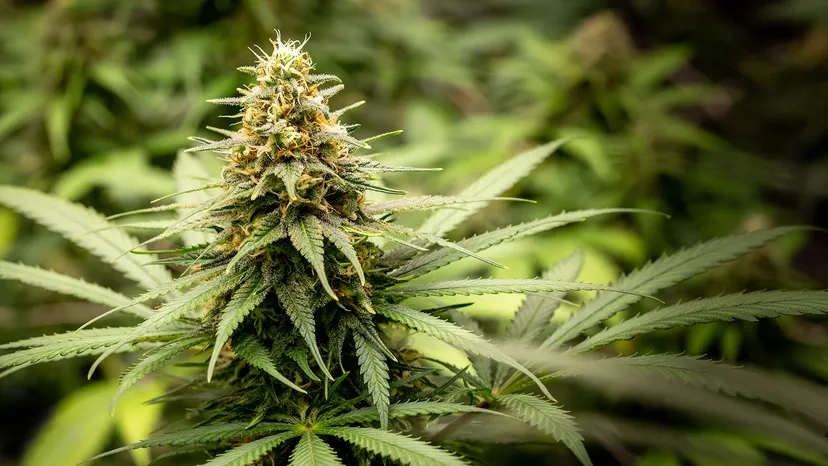
In a move that could reshape U.S. drug policy, Donald Trump has announced plans to reclassify marijuana under federal law, signaling a potential shift in how the government approaches cannabis regulation.
The proposal would involve revisiting marijuana’s current classification under the Controlled Substances Act, where it is presently listed as a Schedule I substance—alongside drugs considered to have a high potential for abuse and no accepted medical use. Reclassification could move marijuana to a lower schedule, acknowledging medical applications and reducing federal restrictions.
According to sources close to the policy discussions, the plan would direct agencies such as the Drug Enforcement Administration (DEA) to review existing research and coordinate with health authorities. While details are still emerging, the move is being framed as part of a broader effort to modernize federal drug laws and align them more closely with state-level policies.
Currently, a majority of U.S. states have legalized marijuana in some form, either for medical or recreational use. This has created a patchwork system in which state laws often conflict with federal enforcement policies. Reclassification could ease these tensions, particularly for businesses operating legally at the state level but facing federal banking and regulatory barriers.
Supporters of the proposal argue that reclassification would promote medical research, reduce criminal justice burdens, and create economic opportunities. Critics, however, caution that the long-term public health impacts remain uncertain and warn against moving too quickly without comprehensive studies.
Political reactions have been mixed. Some lawmakers from both parties have expressed openness to reform, while others remain skeptical, emphasizing the need for a cautious and evidence-based approach.
If implemented, the reclassification would mark one of the most significant federal shifts on marijuana policy in decades. However, the process is expected to involve regulatory review, potential legal challenges, and ongoing debate in Congress.
As the issue continues to evolve, the outcome could have wide-ranging implications for law enforcement, healthcare, and the U.S. economy.