A Divided Political System
Taiwan is a democratic system dominated by two major political camps:
- The ruling Democratic Progressive Party (DPP), led by President Lai Ching-te, which emphasizes sovereignty, democratic identity, and resistance to Beijing.
- The opposition Kuomintang (KMT), which favors more engagement and dialogue with China.
This divide shapes nearly every major policy debate—especially defense and cross-strait relations.
Defense Spending: Urgency vs. Political Reality
Taiwan’s defense policy is at the center of its political tensions.
The $40 Billion Debate
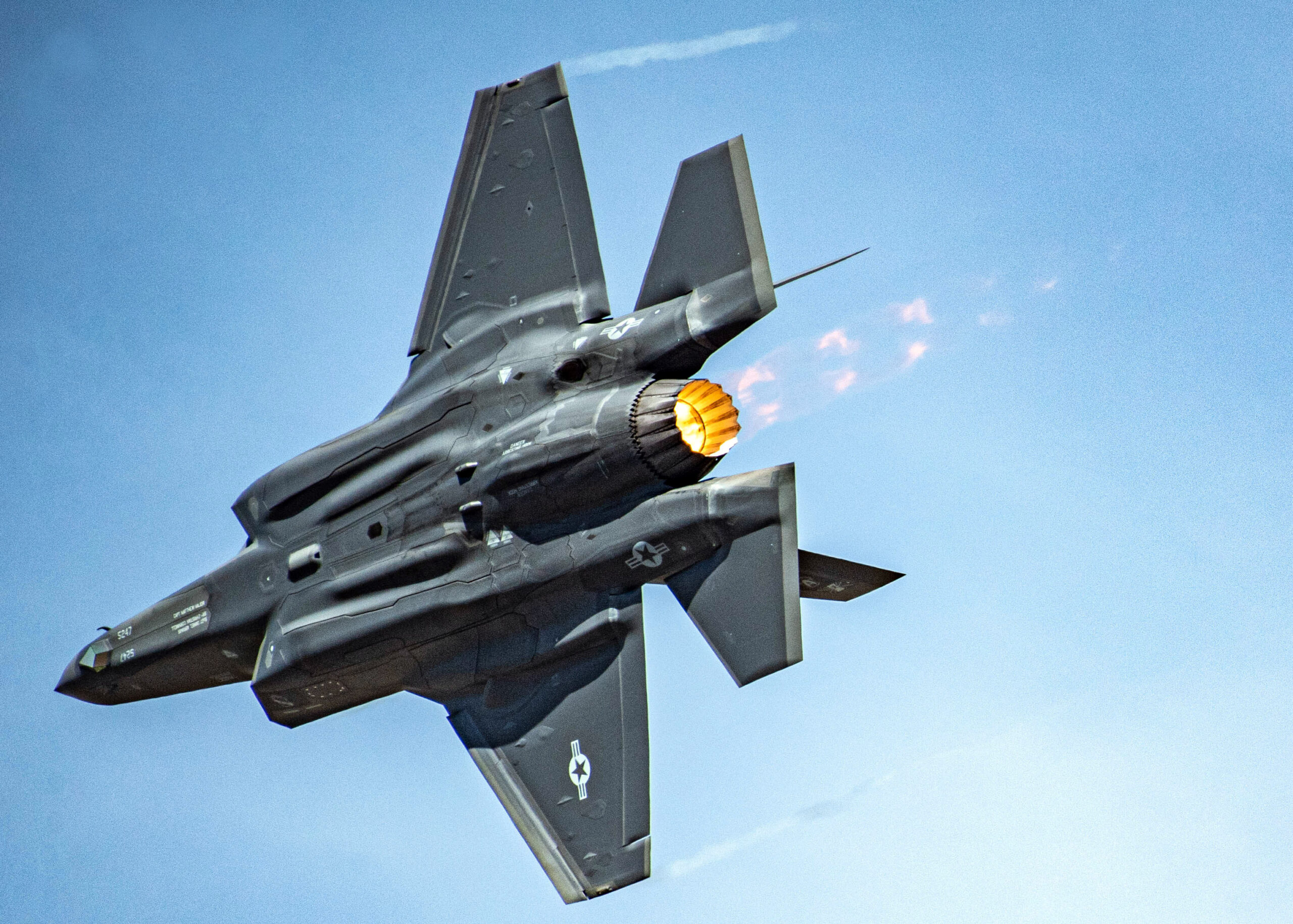
President Lai has proposed a $40 billion special defense budget to counter growing military pressure from China. The plan includes:
- Advanced missile systems and air defense
- AI integration into military operations
- Expansion of domestic defense production
This would significantly raise Taiwan’s defense posture, with long-term goals of increasing spending to as high as 5% of GDP .
Why It’s Stalled
Despite broad acknowledgment of the threat, the budget is stuck in parliament (Legislative Yuan):
- The opposition KMT controls much of the legislative agenda
- They argue the plan is too expensive and lacks oversight
- They propose smaller or phased alternatives
This has triggered warnings from U.S. officials that Taiwan risks undermining its own deterrence if it fails to act .
Strategic Implication
The core issue isn’t whether Taiwan should defend itself—it’s how much, how fast, and at what cost.
How Taiwan Is Dealing With China
China remains the defining factor in Taiwan’s politics.
China’s Strategy
Beijing uses a mix of pressure tactics:
- Military drills and airspace incursions
- Economic leverage (trade restrictions, incentives)
- Diplomatic isolation (blocking Taiwan’s international travel and recognition)
China also refuses to engage with President Lai, labeling him a separatist.
Taiwan’s Strategic Options
Taiwan is essentially balancing three approaches:
1. Deterrence (DPP approach)
- Build military strength
- Deepen ties with the U.S.
- Signal readiness to defend sovereignty
Supported by frameworks like the Taiwan Relations Act, which ensures U.S. arms support and strategic backing .
2. Engagement (KMT approach)
- Increase dialogue with Beijing
- Reduce tensions through economic and cultural exchange
- Avoid provoking China
This approach gained visibility when KMT leaders met Chinese officials in 2026, sparking debate at home .
3. Economic Pragmatism
Business groups in Taiwan increasingly advocate:
- Separating politics from trade
- Maintaining stable economic ties with China
Legislative Gridlock: A System Under Strain
Taiwan’s democratic system is vibrant—but increasingly slow and contentious.
Why Legislation Gets Drawn Out
Several structural and political factors contribute:
1. Split Government
- The presidency and legislature are controlled by opposing parties
- This leads to constant negotiation and delay
2. Budget Politics
- Large bills (like defense spending) require intense scrutiny
- Opposition parties resist what they call “blank check” spending
3. Strategic Disagreement
- Fundamental disagreement over China policy slows everything
- Defense, trade, and diplomacy are all politicized
4. Procedural Tactics
- Extended debates, revisions, and committee reviews
- Repeated renegotiations of the same bills
Real-World Impact
- Defense procurement delays
- Slower military modernization
- Signals of political division to both allies and adversaries
U.S. lawmakers have explicitly warned that these delays could weaken Taiwan’s deterrence posture .
The Bigger Picture: A Democracy Under Pressure
Taiwan today sits at a critical intersection:
- Externally: Facing sustained pressure from China—military, economic, and diplomatic
- Internally: Managing a polarized political system that slows decisive action
The result is a paradox:
Taiwan is highly unified in recognizing the threat—but deeply divided on how to respond.
Bottom Line
- Defense spending is widely seen as necessary—but politically contested in scale and execution
- China policy is the central dividing line in Taiwanese politics
- Legislative delays are not just bureaucratic—they reflect deep strategic disagreements
Taiwan’s future will likely depend on whether it can align political consensus with strategic urgency—before external pressure forces the issue.