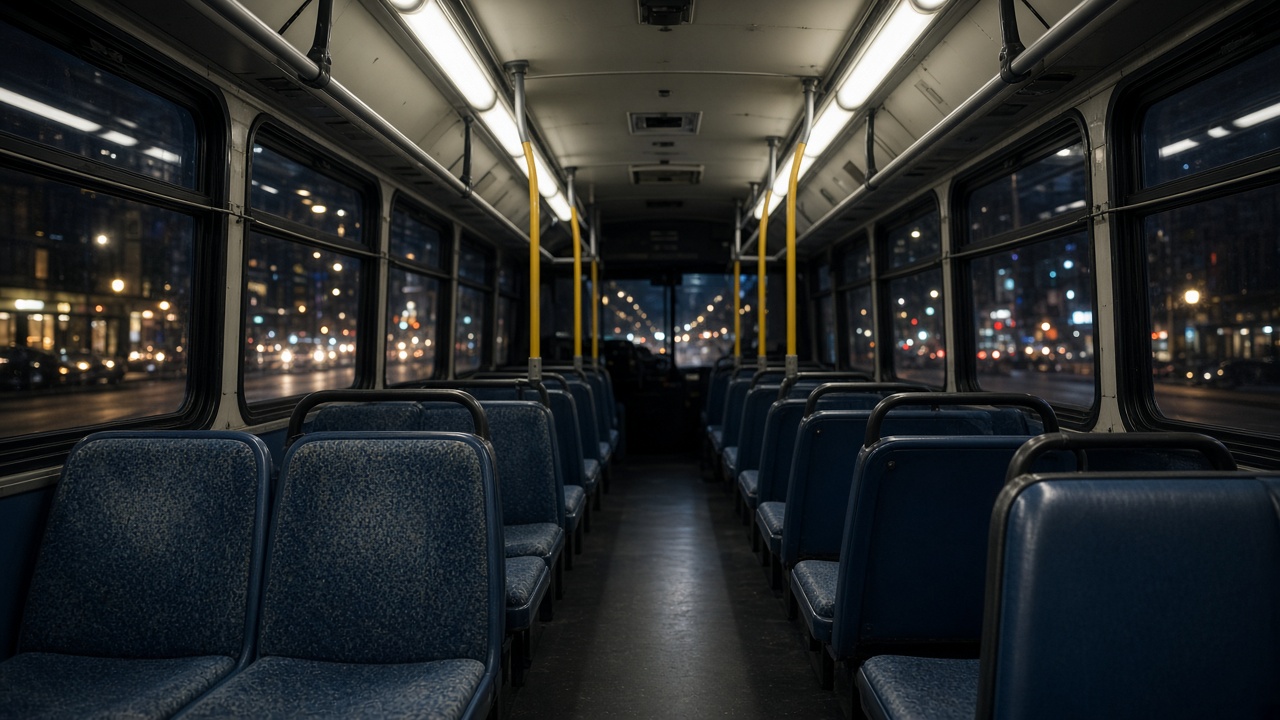
An MBTA bus stabbing on a Route 22 trip through Roxbury has become a flashpoint over self-defense, surveillance limits, and how Transit Police weigh video when both men in a fight may face charges.
Shane Vautour, a Dorchester man, told CBS Boston’s WBZ that he intervened Sunday night after an older woman boarded the bus and a man began berating her with racial and sexual remarks. Vautour said that as he prepared to get off near Humboldt Avenue and Seaver Street, he saw the man holding a knife out of the woman’s view. He said he struck first, was stabbed in the stomach, grabbed the knife, and ended up outside the stop with serious cuts to his abdomen and hands.
Transit Police located the other man and took him into custody. Investigators later told Vautour that, based on surveillance video, they also intended to charge him with assault and battery. Transit Police confirmed to WBZ they will seek criminal complaints against both people involved, without commenting on the quality of the video evidence.
What Vautour says the cameras missed
Vautour has argued that the bus camera sits at the halfway point of the vehicle, leaving action below seat level poorly visible, and that the recording has no audio—so it cannot confirm the verbal harassment he described. He also said investigators have not, to his knowledge, relied on the bus driver’s account or other witness statements in the way he believes the case requires.
Those claims have not been independently adjudicated in court. They do, however, crystallize a recurring Boston transit problem: many rider-on-rider conflicts unfold in blind spots, with incomplete video and delayed witness collection, yet charging decisions often lean heavily on whatever camera angle exists.
Dual complaints and the self-defense question
Massachusetts self-defense law is fact-specific. A person who reasonably believes they or another person face imminent unlawful force may use reasonable force in response—but prosecutors and judges parse who was the initial aggressor, whether retreat was available, and whether the response was proportional. Seeking complaints against both parties does not mean both will be convicted; it means Transit Police want a court to sort competing narratives.
For MBTA riders, the optics are uncomfortable. A passenger who says he acted to protect an older woman from a knife-wielding harasser now faces the prospect of his own assault case—while recovering from stab wounds. Advocates for victims of street harassment may see a chilling effect; police may counter that they cannot ignore video that appears to show a passenger striking first.
Transit safety beyond one Route 22 ride
The Route 22 corridor through Roxbury and Dorchester is a workhorse line for evening shift workers, including people leaving late hospitality jobs—as Vautour said he was. Incidents that mix verbal harassment, weapons, and bystander intervention put operators and passengers in impossible positions within seconds.
MBTA and Transit Police leadership have not, in the initial WBZ coverage, issued a broad policy statement about bystander intervention. The dual-complaint approach does send a procedural message: intervening can still land you in the charging queue if video is ambiguous or incomplete.
What comes next in court
Both potential complaints will need to clear the complaint process before any trial narrative hardens. Defense counsel for Vautour will likely press for driver and passenger statements, full camera exports, and any recovered knife evidence. The other man’s case will turn on possession and use of the weapon and the harassment allegations.
Until then, the verified public record is limited but consequential: a stabbing on an MBTA bus in Roxbury; one man in custody over the knife attack; and Transit Police preparing to seek charges against the stabbed passenger as well. Boston’s transit debate now includes not only whether cameras are everywhere—but whether they show enough to decide who deserves protection when a ride turns violent.