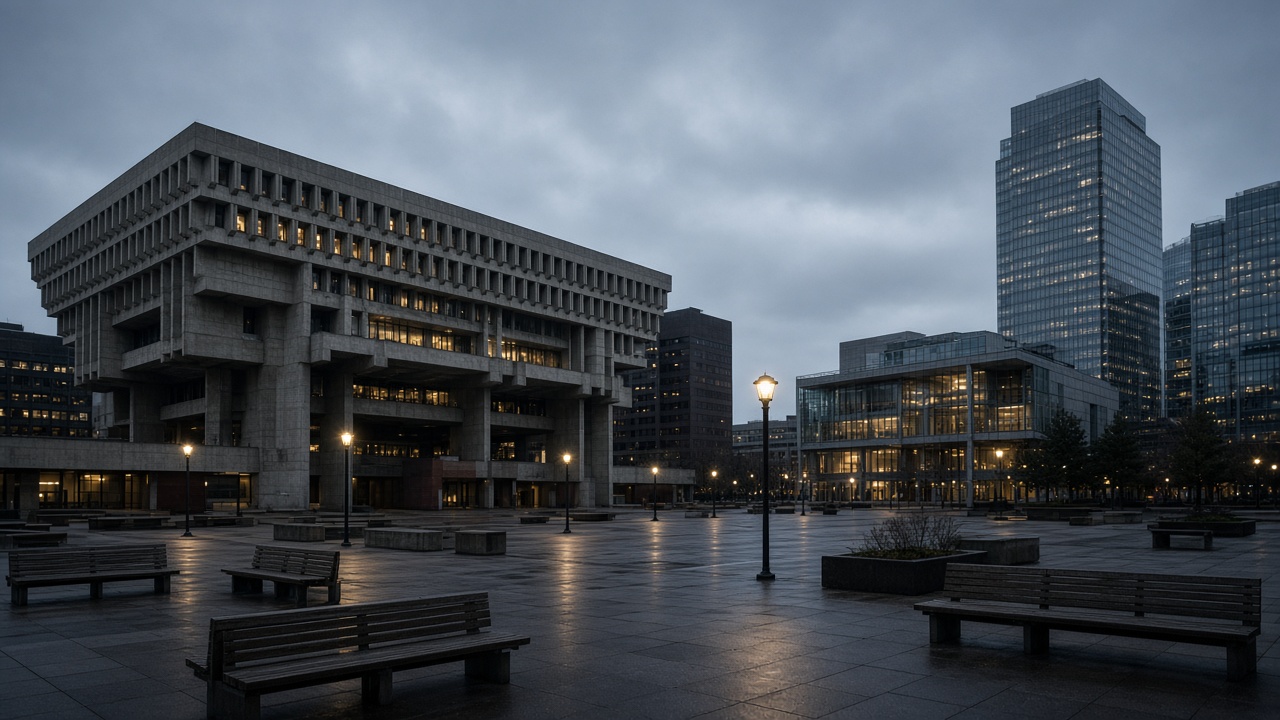
Boston police surveillance rules are back at the center of City Hall debate after councilors this week pressed to close gaps in the city’s 2022 oversight ordinance, citing new disclosures about license plate readers and social media monitoring tools.
Councilor Ben Weber filed an amendment for Wednesday’s council agenda after colleagues said they learned—through an annual surveillance report and earlier reporting—that the Boston Police Department had launched or continued certain technologies without the level of notice many expected. The proposal, covered by the Boston Globe, WHDH, and NBC Boston, does not ban surveillance wholesale. It aims to clarify when the department must come back to the council, especially when switching vendors or citing “exigent circumstances.”
What the 2022 ordinance already requires
Boston’s surveillance ordinance, which took effect in 2022, generally requires City Council approval before the department adopts new surveillance technologies. In practice, councilors argue, two pathways have limited that oversight: vendor switches treated as continuity rather than new adoption, and emergency use under an exigent-circumstances exception.
That exception is meant for situations in which there is no time to seek approval because of a reasonable belief of an emergency involving injury, death, or significant property damage. Critics say the exception has been stretched into longer-running deployments. Weber’s amendment would treat exigent use as temporary and still require council review—and, if the council rejects a technology, require the department to stop using it unless it can show emergent public-safety threats.
Weber, who also serves on the city’s Surveillance Oversight Advisory Board, told the Globe the goal is to make the existing ordinance “work better,” not to invent an entirely new regime overnight.
License plate readers and social media tools at issue
Public reporting this summer and the department’s latest annual surveillance disclosures put automatic license plate readers and social media analysis tools at the center of the dispute. Boston police conducted AI-enabled license plate camera pilots with vendors including Axon and Motorola Solutions after an earlier, less-publicized pilot involving Flock Safety—a company that has faced privacy scrutiny in other Massachusetts communities and nationally.
City officials have previously argued that changing vendors for an already-approved category of technology did not require fresh council approval. Weber’s amendment would close that interpretation by requiring notice whenever the department switches vendors, even if the general technology type was previously authorized.
The annual report also disclosed continued or new social media monitoring, including an AI-powered analysis tool identified as LifeRaft. Councilors noted that the council had previously voted against some social media monitoring uses, yet related tools appear in current disclosures. NBC Boston reported that the city’s 2025 surveillance reporting raised concerns that “exigent circumstances” language was being used as a loophole.
Councilor Gabriela Zapata, speaking to WHDH, framed the stakes in transparency terms: the council and the public should understand what is being used, how it is used, what data is collected, and who can access that data.
Public safety arguments and civil liberties pushback
Police advocates and some public-safety voices argue that license plate readers and digital monitoring help investigate serious crime when safeguards exist. Boston Police Patrolmen’s Association President Larry Calderone, in a statement quoted by NBC Boston, said technology can support public safety when used correctly—but also warned that overuse of AI, drones, and future robotics “needs to be kept in check,” stressing that officers still rely on judgment and human interaction.
Civil liberties advocates counter that plate readers, hotlist sharing, and social media scraping can chill speech, expand incidental collection of ordinary residents’ movements, and create long retention trails with unclear outside access. Weber’s proposal would require reporting of license plate reader vendors, camera counts and locations, reads and hotlist hits, and disclosures about misuse and prevention policies—data that would give the council a clearer audit trail.
Mayor Michelle Wu’s office, in a statement provided to the Globe, thanked Weber for leadership on the issue and said the city is reviewing the proposal while continuing to work with councilors on transparency and safeguards for residents. The Boston Police Department did not immediately respond to several news outlets’ requests for comment on the amendment.
What happens next at City Hall
Weber has said the approval process could take months. After introduction, the measure is expected to go to the Committee on Government Operations, where the chair can schedule a hearing or working session. A full hearing would typically bring public-safety officials, civil liberties groups, and outside experts before any final council vote.
For Boston residents, the debate is less abstract than it sounds. License plate cameras and social monitoring sit at the intersection of neighborhood policing, data privacy, and trust in City Hall process. Closing ordinance loopholes will not end surveillance—but it would force clearer, earlier answers about which tools are live on Boston streets and why.