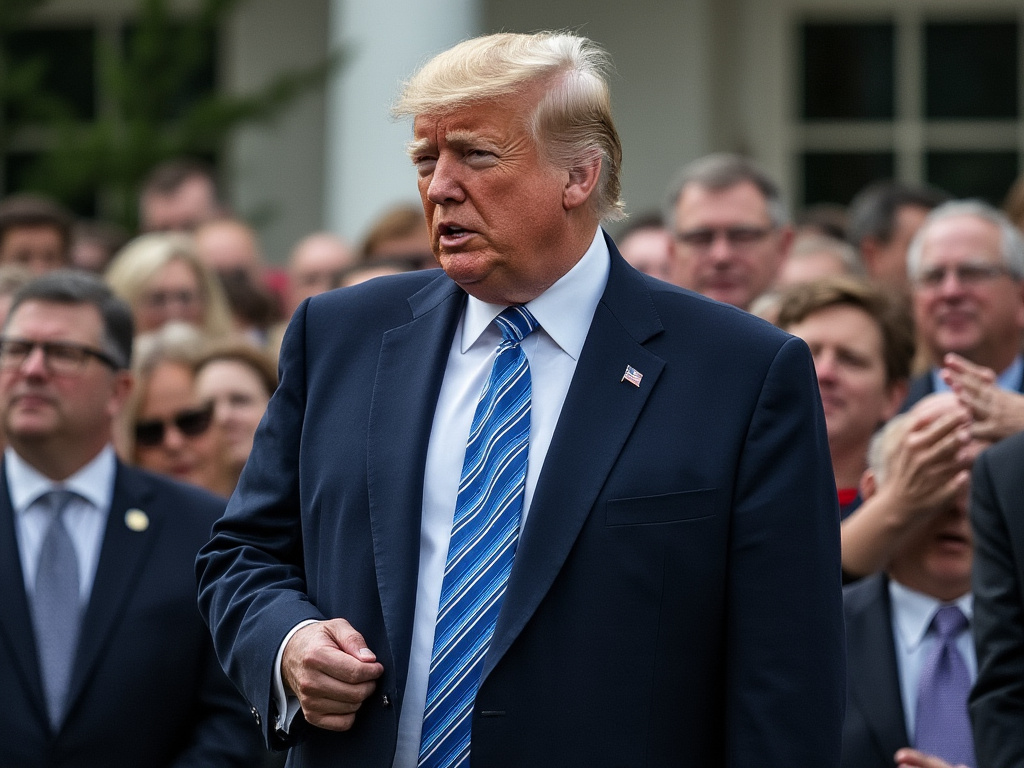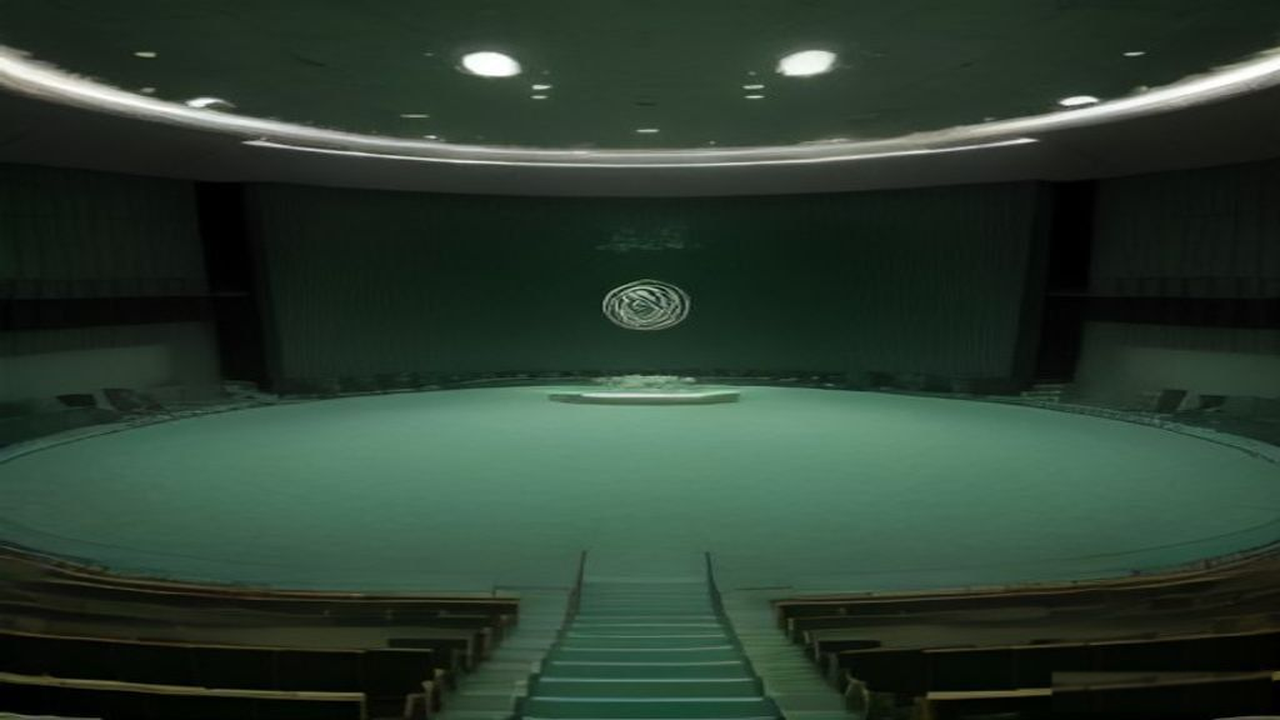
Iranian President Masoud Pezeshkian used his United Nations General Assembly speech to brand U.S. President Donald Trump a “bully” while simultaneously signaling that Tehran remains ready for dialogue, outlining conditions for reopening the Strait of Hormuz and keeping a mediated UNGA diplomatic track alive.
The dual message—defiance from the podium, openness in the footnotes—captured Iran’s strategy after months of maritime tension and sanctions pressure. Diplomats said Pezeshkian’s speech was crafted to satisfy hardliners at home without closing the door on mediators working the corridors in New York.
Defiant rhetoric meets dialogue signals
Pezeshkian’s “bully” line toward Trump drew applause from parts of the Iranian delegation and criticism from Western seats. Yet the same address included language about readiness for talks if Iran’s “legitimate rights” are respected, a formulation Tehran often uses to bridge maximalist rhetoric and transactional bargaining.
U.S. officials downplayed the insult as theater while noting that any serious channel would still need verifiable steps on regional militias and nuclear transparency. Iranian diplomats countered that Washington’s pressure campaign, not Tehran’s rhetoric, is what keeps markets on edge.
European envoys described the tone as familiar: Iranian presidents frequently mix grievance and opening bids at UNGA. What mattered, they said, was whether follow-up meetings appear on the calendar with agendas that go beyond trading accusations.
Hormuz reopen conditions: blockade and frozen assets
On the Strait of Hormuz, Pezeshkian sketched conditions that include lifting what Tehran calls a U.S.-led blockade and unfreezing Iranian assets. Energy traders listened closely: even conditional language about reopening shipping corridors can move oil prices when the strait’s risk premium is elevated.
Gulf Arab diplomats said the conditions remain far from a workable checklist, but they welcomed any public acknowledgment that commerce through Hormuz is a bargaining chip rather than a permanent battlefield. Shipping insurers, for their part, want deeds—safe-passage assurances—not just UNGA paragraphs.
Naval analysts note that “reopening” language only matters if escort protocols, boarding rules, and insurance war-risk clauses change. Without those operational shifts, tankers will continue slow-steaming or diverting, keeping freight costs high for importers from Asia to New England.
Mediated UNGA track continues beyond the podium
Away from the speech, mediators continued a quieter UNGA track aimed at keeping U.S. and Iranian envoys in proximity. Officials familiar with the process said the emphasis is on sequencing: humanitarian and maritime confidence-builders first, harder nuclear and regional files later.
Tehran’s public line insists sovereignty and sanctions relief must come before deeper concessions. Washington’s line insists Iran must curb proxy attacks and clarify enrichment. The mediated track exists precisely because those opening bids do not meet; Pezeshkian’s speech kept both the anger and the appointment book intact.
Regional middle powers—Oman, Qatar, and others that have hosted talks before—are again being mentioned as possible facilitators. Their value is deniability: meetings that never need a joint press conference can still test red lines.
Why the speech matters for energy and diplomacy
For Boston and other energy-import hubs watching freight rates, the practical test is whether Hormuz risk declines after the speech or merely pauses. For diplomats, the test is whether “dialogue readiness” becomes a scheduled meeting with an agenda or remains a slogan.
Pezeshkian leaves New York having drawn a bright rhetorical line against Trump while listing concrete—if maximalist—Hormuz conditions. That combination may not unlock a deal this week, but it defines the dual track Iran wants the world to see: resistance on stage, bargaining in the wings.
The Pezeshkian UN speech will be parsed in Tehran’s factional press as toughness and in Western capitals as mixed messaging. Markets will ignore the adjectives and watch ship counts through Hormuz. If those rise, the dual track worked; if they fall, the bully line was the only part that traveled.