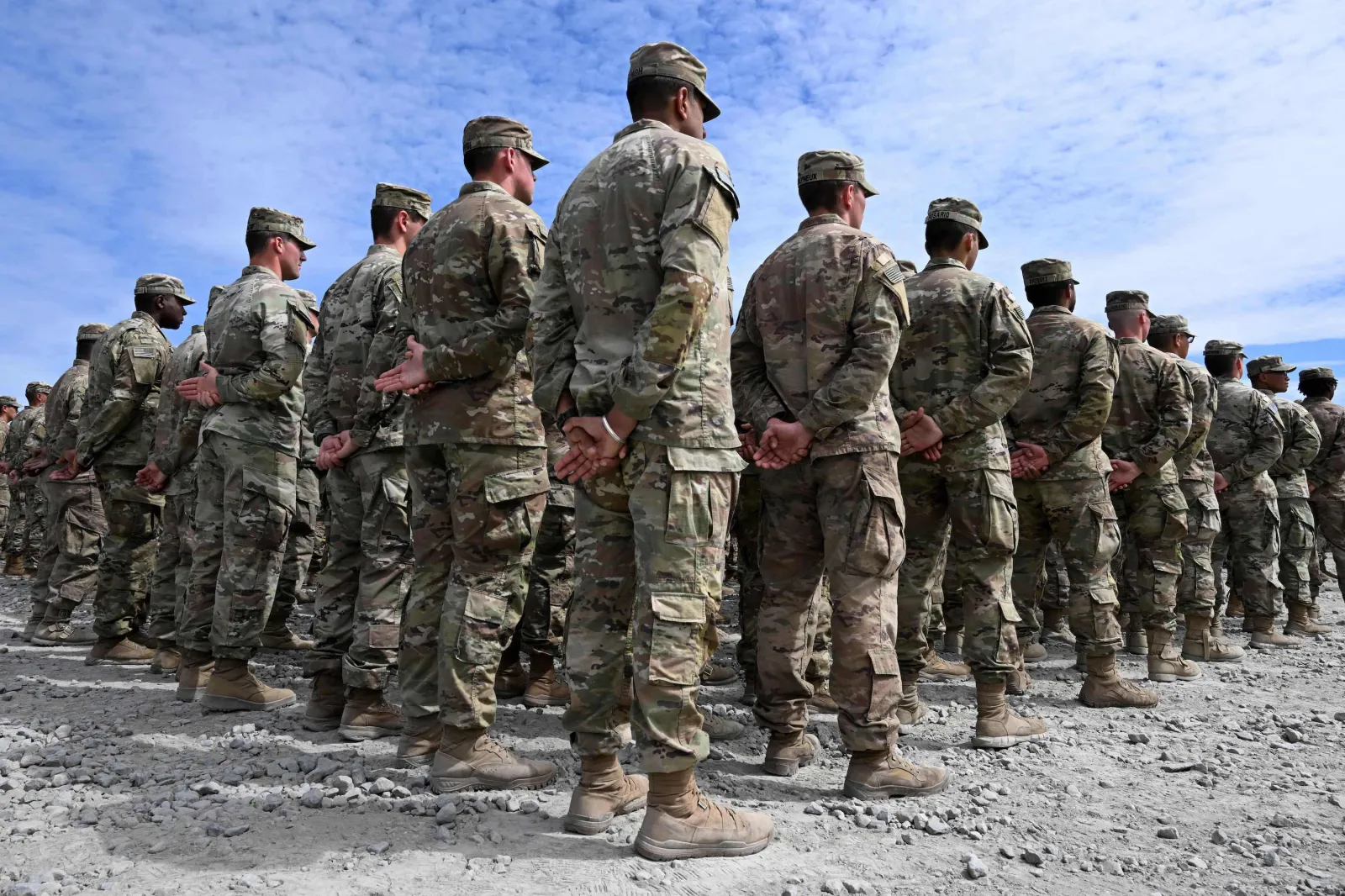
China and Russia intensified protests against Japan’s deployment of the U.S. Typhon missile system on Kyushu, with Beijing delivering a diplomatic note and Foreign Ministry spokesperson Guo Jiakun calling the platform a strategic offensive weapon tied to remilitarization, while Moscow cited its own September 3 protest note.
The dispute lands as U.S. and Japanese forces wrap Orient Shield exercises, with officials indicating the Typhon systems may move into storage at a U.S. facility after drills around September 24, 2026—an operational detail that has not quieted Chinese and Russian objections.
China’s diplomatic note and Guo Jiakun’s warning
China’s diplomatic note protested what Beijing describes as a destabilizing introduction of U.S. mid-range firepower onto Japanese territory. Guo Jiakun told reporters the Typhon system is a strategic offensive weapon and part of a broader remilitarization trend that China says threatens regional stability.
Japanese officials reject that framing, arguing that Typhon deployments during exercises are defensive, rotational, and consistent with the U.S.–Japan alliance’s response to missile threats from North Korea and coercive pressure in the East China Sea. Tokyo says transparency about training calendars should reduce, not increase, miscalculation risks.
Chinese commentaries linked the Kyushu activity to previous U.S. deployments in the Philippines, portraying a chain of land-based missiles along the first island chain. Japanese defense planners say that narrative ignores North Korean missile tests and China’s own rocket force expansions.
Russia’s September 3 protest note
Russia’s September 3 protest note aligned Moscow with Beijing’s critique, warning that U.S. missile architectures in Japan erode the strategic balance in Northeast Asia. Russian diplomats cast Typhon as another step in what they call NATO-adjacent force projection into Asia, language designed to link European and Pacific security debates.
Alliance officials counter that Russia’s own missile deployments and joint patrols with China near Japan are the reason Tokyo and Washington practice dispersal and long-range fires. The dueling notes illustrate how quickly exercise hardware becomes a permanent talking point in great-power diplomacy.
For Tokyo, Russian objections carry particular sensitivity because of unresolved territorial disputes and repeated air-sea incursions. Officials argue that allowing Moscow a veto over alliance training would itself be a strategic concession.
Orient Shield context and post-exercise storage
Orient Shield has long been a venue for U.S.–Japan ground force interoperability. This year’s inclusion of Typhon-related activity drew unusual scrutiny because the system can host missiles that potential adversaries treat as theater-strike threats.
U.S. planners have indicated that after exercises around September 24, the systems may shift to storage at a U.S. facility rather than remain continuously forward-deployed. China and Russia argue that storage is a technicality if the launchers can return quickly; Japan argues that exercise-to-storage cycles are normal alliance practice.
Logistics officers note that moving heavy launchers on and off Kyushu is itself a readiness drill. Photographers and open-source analysts will watch railheads and ports for signs of withdrawal—or of a quieter rotation that keeps capability nearby.
Alliance deterrence versus Chinese and Russian red lines
For Washington and Tokyo, Typhon on Kyushu is about closing range gaps and proving that reinforcements can arrive fast. For Beijing and Moscow, it is about drawing a red line against U.S. land-based missiles near their maritime approaches.
Whether the launchers spend the next months in warehouses or on training ranges, the diplomatic fight is likely to continue. Guo’s “strategic offensive weapon” label and Russia’s September 3 note ensure that every future Typhon movement on Kyushu will be read as a political signal as much as a military drill.
The Japan Typhon Kyushu controversy thus sits at the intersection of exercise calendars and strategic messaging. If storage proceeds on schedule, China and Russia may claim a partial win; if launchers reappear quickly for the next drill, the protest notes will be dusted off again.