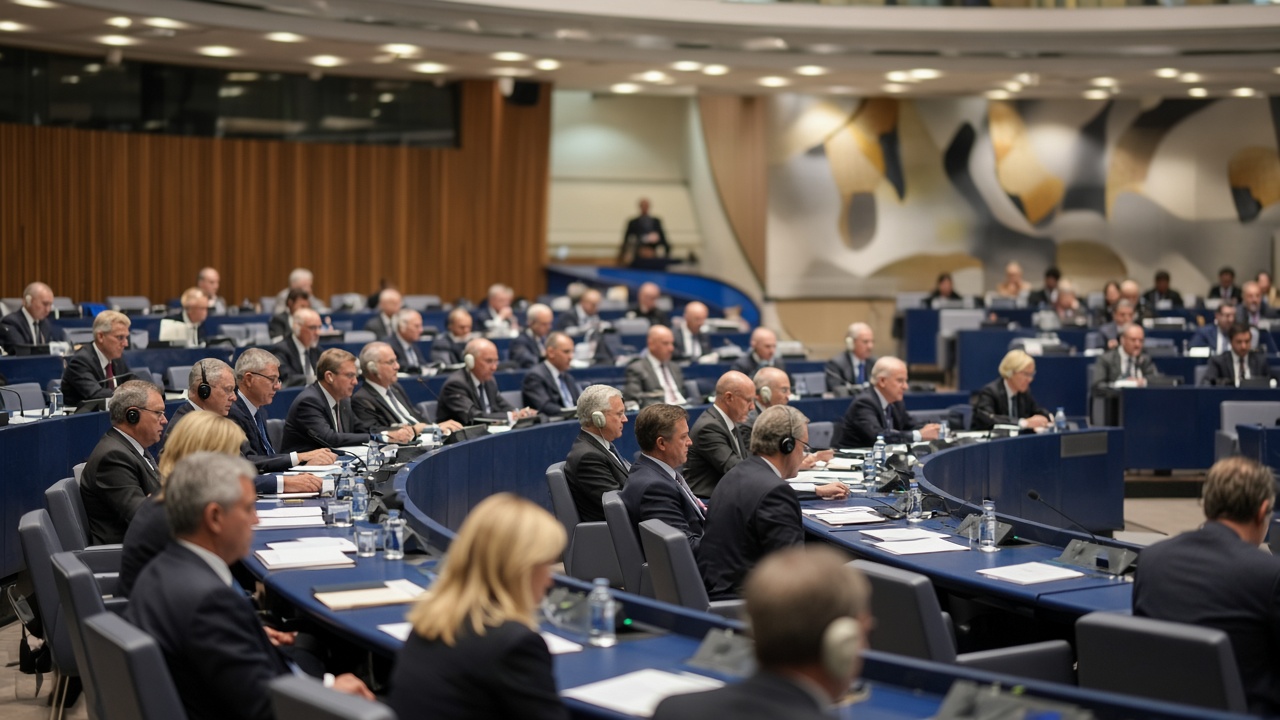
Ukrainian President Volodymyr Zelenskyy on Wednesday, September 23, 2026, used the United Nations General Assembly in New York to renew a push for a Ukraine energy ceasefire with Russia before winter, after separate meetings with U.S. President Donald Trump and British Prime Minister Andy Burnham, even as Russian drones again hit Kyiv.
Zelenskyy UN speech and winter energy stakes
Addressing the General Debate of the UN General Assembly’s 81st session, Zelenskyy argued that the war “must be ended” and that Russian President Vladimir Putin remains its central driver. According to a UN News account of the speech, he described nearly five years of Russian efforts to seize eastern Ukrainian territory and claimed roughly 249,000 Russian troops had been killed or seriously wounded in the first eight months of 2026 — figures presented by Kyiv and not independently verified in that report.
Zelenskyy framed Ukrainian long-range strikes as pressure on Moscow’s capacity to finance and prolong the conflict rather than as an attack on Russia’s oil industry for its own sake. “Our target is Russia’s ability to finance this war,” he said, according to UN News, while calling for continued sanctions, trade restrictions, and sustained defense support, including joint weapons production.
He also warned that the war’s effects are spreading beyond Ukraine, citing North Korean forces fighting alongside Russia and Russian pressure on Moldova, Poland, and the Baltic states.In parallel remarks reported by Reuters via Al-Monitor, Zelenskyy told the Assembly that Ukrainians understand the coming winter could be harsh, but that without de-escalation Kyiv would have “no choice but to make it painful for Russia too.” He noted the potential influence Chinese President Xi Jinping could exert on Putin; Xi did not attend the UN gathering and was due for separate talks with Trump.
Trump and Burnham talks on limited pause
On Tuesday, Zelenskyy met Trump for about 40 minutes on the sidelines of the Assembly. According to Al Jazeera and France 24 reporting based on Zelenskyy’s comments to journalists, the Ukrainian leader said both Washington and Kyiv want to see the war ended before winter and that Kyiv remains ready for an energy ceasefire if Russia stops attacking Ukraine’s electricity, heating, and water systems. He stressed there had been no discussion with Trump of Ukraine unilaterally ending strikes on the Russian oil sector.
British Prime Minister Andy Burnham, who met Zelenskyy at the UN, separately lobbied Trump on an energy ceasefire, according to Al Jazeera. A Downing Street readout published September 23 said the two leaders discussed the difficult winter ahead, the energy-ceasefire proposal, sanctions pressure, and the need for Putin to enter meaningful talks. In his own UNGA speech, Burnham said Britain would help Ukraine repair and protect heat and power plants and urged Russia to accept a ceasefire.U.S. Secretary of State Marco Rubio met Russian Foreign Minister Sergei Lavrov on Wednesday. Afterward, Rubio said both Ukraine and Russia had voiced interest in a limited ceasefire involving grain and energy-related targets, according to Reuters reporting carried by Al-Monitor. A Russian Foreign Ministry statement cited in the same reporting said Moscow reaffirmed its “unconditional commitment” to the goals of what it calls its special military operation. Lavrov, addressing the Security Council, indicated Russia would not accept a temporary pause that, in his words, Europe would use to “pump the Kyiv regime with weapons.”
Kyiv drone strikes raise civilian stakes
While leaders debated limited truces in New York, Russia continued drone attacks on Kyiv. The Kyiv Independent reported that Russian drones killed two people and injured at least 43 on the morning of September 23, according to Kyiv Mayor Vitali Klitschko, with damage to residential areas, railway infrastructure, and a historic market near the central station. Zelenskyy said Russia had launched many drones against the city, including jet-powered systems, and struck targets in eight other regions, according to his public comments cited by the Kyiv Independent.
Ukrainian officials have argued for weeks that Russia is preparing another winter campaign against power and heating facilities. They said a September 15 wave of roughly 200 drones hit petrol stations in Kyiv and energy and port infrastructure elsewhere, according to Al Jazeera. Zelenskyy also told a Crimean Platform summit on the UN sidelines that Ukraine was ready for a Black Sea maritime truce based on ideas advanced by Egypt, India, and Turkey, and that Kyiv was waiting for Russia’s response, Reuters reported.
Outlook for energy ceasefire diplomacy
The core obstacle remains sequencing and trust. Kyiv wants reciprocal pauses that protect civilians and critical services without freezing a battlefield advantage for Moscow. Washington appears interested in narrower arrangements on energy and grain that could ease pressure on global markets and Ukrainian cities before winter. Russia publicly rejects temporary ceasefires it casts as rearmament windows and continues large-scale drone and missile operations.
Global wheat markets have already felt the strain of insecure Black Sea shipping, Reuters noted, adding commercial pressure for limited maritime and energy understandings — but not resolving disputes over territory, security guarantees, and accountability. For now, the Ukraine energy ceasefire proposal remains a diplomatic opening rather than an agreement. Wednesday’s combination of UN speeches, bilateral meetings, and fresh strikes on Kyiv left the same unresolved question: whether limited pauses and allied pressure can constrain the war before winter again becomes a campaign against civilian infrastructure.